
The Benefits of Non-Invasive Laser Tattoo Removal

The Benefits of Non-Invasive Laser Tattoo Removal
Non-invasive laser tattoo removal has emerged as a popular choice for individuals looking to erase unwanted ink without the discomfort and risks associated with traditional methods. This article delves into the numerous advantages of this innovative technique, highlighting its effectiveness, safety, and customization options. Many people struggle with the permanence of tattoos, often regretting their decisions as time passes. Non-invasive laser tattoo removal offers a solution that minimizes pain and maximizes results, making it an appealing option for those seeking to reclaim their skin. We will explore the benefits of this method, the removal process, safety considerations, potential career opportunities in the field, and how certification can enhance professional prospects.
Benefits of Non-Invasive Laser Tattoo Removal
Non-invasive laser tattoo removal provides several key benefits that make it a preferred choice for many. The procedure is known for its effectiveness in breaking down tattoo pigments, allowing for gradual fading and eventual removal. Additionally, it boasts a safety profile with minimal side effects, making it suitable for various skin types. Customization of treatment plans is another significant advantage, as practitioners can tailor the approach based on the tattoo's size, color, and location.
Indeed, modern laser technologies have become the gold standard for tattoo removal, offering superior results compared to older methods.
Laser Tattoo Removal: Modality of Choice & Picosecond Advances Lasers are currently the modality of choice in the removal of tattoos, as they are more efficacious than previously used methods. The most common lasers are the 532 nm and 1064 nm neodymium-doped yttrium aluminum garnet lasers, the quality-switched 694 nm Ruby laser, and the quality-switched 755 nm alexandrite laser. However, picosecond lasers are rapidly gaining favor in tattoo removal. Laser tattoo removal: laser principles and an updated guide for clinicians, N Mohsin, 2022
For those interested in pursuing a career in this field, Get Laser Certified offers specialized training programs focused on certifying individuals as laser technicians. This certification emphasizes non-invasive laser tattoo removal techniques, equipping aspiring professionals with the skills needed to excel in the industry.
Laser Technology | Effectiveness | Safety Level |
Q-Switched Lasers | High | FDA-cleared |
Picosecond Lasers | Very High | FDA-cleared |
Traditional Methods | Moderate | Variable |
This table illustrates the effectiveness and safety levels of different laser technologies used in tattoo removal, highlighting the advancements in non-invasive techniques.
Specifically, the advent of picosecond lasers has revolutionized the field, offering even greater efficiency in breaking down tattoo pigments.
Picosecond Lasers: Advanced Tattoo Removal Efficacy Picosecond (10−12) lasers have emerged at the forefront of laser tattoo removal due to their shorter pulse lengths, leading to quicker heating of the target chromophores, and consequently, more effective tattoo clearance. Recent studies have cited more effective treatment outcomes using picosecond lasers. The picosecond laser for tattoo removal, 2016
Removal Process
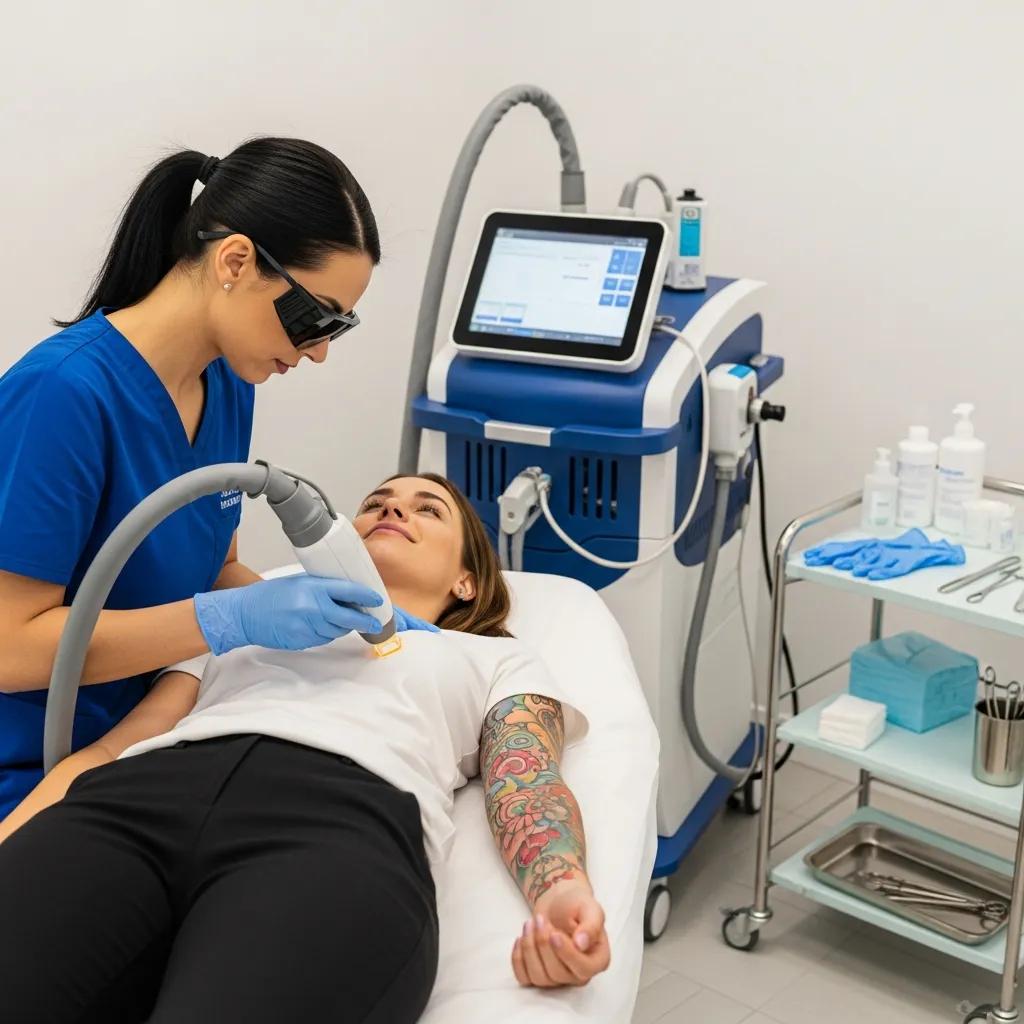
The removal process for non-invasive laser tattoo removal typically involves several key steps. Initially, a consultation is conducted to assess the tattoo and discuss the patient's goals. Following this, treatment sessions are scheduled, where the laser is applied to the tattooed area. Each session targets the ink particles, breaking them down for the body to naturally eliminate. Aftercare instructions are provided to ensure optimal healing and results.
Consultation Process
During the consultation, the technician evaluates the tattoo's characteristics, including size, color, and age. This assessment helps determine the most effective treatment plan tailored to the individual's needs.
Treatment Sessions
Treatment sessions usually last between 15 to 60 minutes, depending on the tattoo's size. Patients may require multiple sessions spaced several weeks apart to achieve the desired results, as the body needs time to process the broken-down ink particles.
Aftercare Instructions
Post-treatment care is crucial for successful healing. Patients are advised to keep the treated area clean, avoid sun exposure, and follow any specific instructions provided by the technician to minimize the risk of complications.
Safety Considerations
Safety is a paramount concern in any medical procedure, and non-invasive laser tattoo removal is no exception. Comprehensive patient assessments are conducted to ensure that individuals are suitable candidates for the treatment. The use of FDA-cleared devices further enhances safety, as these technologies have undergone rigorous testing to ensure their efficacy and minimal side effects.
Comprehensive Patient Assessment
Before proceeding with treatment, a thorough evaluation of the patient's medical history and skin type is performed. This assessment helps identify any potential risks or contraindications, ensuring a safe experience.
Use of FDA-Cleared Devices
Utilizing FDA-cleared devices is essential for ensuring the safety and effectiveness of the procedure. These devices are designed to minimize discomfort and reduce the likelihood of adverse reactions.
Post-Treatment Care Instructions
Patients receive detailed aftercare instructions to promote healing and prevent complications. Adhering to these guidelines is vital for achieving optimal results and ensuring the safety of the treatment.
Potential Career Opportunities
The field of laser tattoo removal presents various career opportunities for certified laser technicians. As the demand for non-invasive procedures continues to grow, professionals in this area can find rewarding positions in medical spas, dermatology clinics, and aesthetic service providers.
Opportunities in Medical Spas
Medical spas often seek certified laser technicians to provide tattoo removal services alongside other aesthetic treatments. This environment allows technicians to work with a diverse clientele and expand their skill set.
Independent Practice Options
For those looking to establish their own business, independent practice options are available. Certified technicians can offer mobile services or set up their own clinics, providing flexibility and autonomy in their careers.
Expanded Service Offerings
By obtaining certification in laser tattoo removal, technicians can expand their service offerings, attracting a broader range of clients. This diversification can lead to increased revenue and professional growth.

Comments