
Tattoo Removal: Session Insights

Tattoo removal requires planned, staged treatments. This guide explains how laser removal works, the equipment commonly used, and the factors that determine how many sessions you will need. It also covers typical timelines, costs, and why technician training matters for safe, effective outcomes.
Key Takeaways
Laser tattoo removal uses concentrated light to break down ink particles for body elimination. Q-switched and picosecond lasers are effective for different ink colors and skin types. Average tattoo removal requires 5 to 15 sessions, depending on tattoo size and complexity. Darker inks are easier to remove than lighter colors like yellow and green. Skin type and sensitivity affect the effectiveness and side effects of tattoo removal. Certified technicians ensure safe and effective laser tattoo removal treatments. Aftercare practices like sun protection and moisturization enhance healing and treatment results. Typical costs for tattoo removal range from $1,000 to $4,000, depending on sessions needed.
How Does the Laser Tattoo Removal Process Work?
Laser removal uses targeted light pulses to fragment ink particles while limiting damage to surrounding skin. Fragmented ink is removed by the body’s lymphatic system over time. Multiple sessions are required because the body clears only a portion of ink after each treatment. Knowing this helps set realistic expectations for the treatment schedule.
Research clarifies the specific laser mechanisms that allow ink particles to fragment and be cleared by the body.
Laser Tattoo Removal Mechanics: Selective Photothermolysis and Q-Switching
LASER treatment relies on selective photothermolysis. Q-switched devices deliver very short, high‑power pulses (5–100 ns) that produce a photoacoustic effect. The resulting shock waves disrupt melanosomes and break tattoo ink into smaller fragments, aiding clearance while changing clinical practice for pigment removal.
Standard guidelines of care: Lasers for tattoos and pigmented lesions, V Mysore, 2009
What Types of Laser Technology Are Used in Tattoo Removal?
Clinics use several laser platforms, each suited to different inks and skin types. Choice of device depends on tattoo colour, depth, and the patient’s skin tone.
Q-Switched Lasers
These lasers are known for their ability to deliver high-energy pulses in a very short time, making them effective for breaking down various ink colors.
Picosecond Lasers
These advanced lasers operate at an even faster pulse rate than Q-switched lasers, allowing for more efficient ink fragmentation and potentially fewer sessions.
Nd:YAG Lasers
This type of laser is versatile and can be used for different skin types and ink colors, making it a popular choice among practitioners.
Each device offers benefits for specific scenarios; technicians select the laser that best matches the tattoo’s colours and the client’s skin type. Clinical reviews note the evolving role of picosecond and Q‑switched devices and stress patient‑specific selection for optimal results.
Laser Tattoo Removal: Principles, Technologies, and Factors for Success
Lasers are the primary modality for tattoo removal. Common devices include 532 nm and 1064 nm Nd:YAG, the Q‑switched 694 nm Ruby, and the Q‑switched 755 nm alexandrite laser. Picosecond lasers are increasingly used. Successful outcomes depend on laser principles, tattoo colour, layering, and the patient’s Fitzpatrick skin type.
Laser tattoo removal: laser principles and an updated guide for clinicians, N Mohsin, 2022

How Does Laser Interaction Affect Tattoo Ink and Skin?
Laser energy heats and fragments ink particles; the fragments are then cleared by the body. The procedure can also provoke temporary skin reactions—redness, swelling, or, less commonly, scarring. Proper technique and aftercare reduce these risks and support predictable healing.
What Is the Average Number of Tattoo Removal Treatments Required?
Session counts vary by tattoo size, colour, age, and patient factors. Most tattoos require roughly 5 to 15 sessions for substantial clearance. Larger or more complex tattoos often need additional sessions. A qualified technician will assess your case and recommend a tailored plan.
Tattoo Characteristics | Average Sessions Required |
Small, simple tattoos | 5-7 sessions |
Medium tattoos | 7-10 sessions |
Large or complex tattoos | 10-15 sessions |
The table shows common session ranges based on tattoo size and complexity.
How Do Tattoo Ink Color and Skin Type Influence Session Counts?
Ink colour and skin tone strongly affect removal. Dark inks (black, dark blue) absorb laser energy well and usually require fewer sessions. Light colours (yellow, green) are harder to remove. Lighter skin tones often allow clearer targeting, which can improve results.
What Are the Typical Session Ranges for Complete Tattoo Fading?
Expected session ranges depend on the tattoo and individual response. Typical guidelines are provided below to help plan treatment.
Small Tattoos
5-10 sessions
Medium Tattoos
7-12 sessions
Large Tattoos
10-15 sessions
These ranges are general. Individual response, skin type, and tattoo characteristics will affect the actual number of sessions needed.
Which Factors Affect the Number of Laser Tattoo Removal Sessions?
Several variables determine session count, including tattoo size and complexity, ink composition and age, and the patient’s skin type and sensitivity.
Tattoo Size and Complexity
Larger and more intricate tattoos typically require more sessions.
Ink Type and Age
Older tattoos may fade more easily, while certain ink types can be more resistant to removal.
Skin Type and Sensitivity
Individual skin responses can affect healing and the effectiveness of the treatment.
Knowing these factors helps clients and technicians set realistic timelines and treatment expectations. Treatment outcomes depend on multiple interacting variables, which is why individualized assessment and technique matter.
Factors Influencing Laser Tattoo Removal Effectiveness and Sessions
Although lasers are the gold standard for tattoo removal, ink resolution can be unpredictable. Success depends on the modality, treatment number and frequency, device technique, and patient physiology. These variables explain variations in ink retention and outcomes.
Causes and recommendations for unanticipated ink retention following tattoo removal treatment, CL Chen, 2013
How Does Tattoo Ink Color Impact Removal Difficulty?
Tattoo colour affects laser absorption and removal difficulty. Dark pigments absorb more laser energy and typically clear faster. Pale pigments such as yellow and green absorb less energy and often need more sessions.
What Role Does Skin Sensitivity and Type Play in Treatment?
Skin sensitivity and type influence both safety and effectiveness. Sensitive skin may show stronger inflammatory reactions. Skin tone affects laser selection and risk of pigment changes. Technicians must assess skin type before treatment to reduce complications and optimise results.
Why Is Certification and Training Important for Laser Tattoo Removal Technicians?
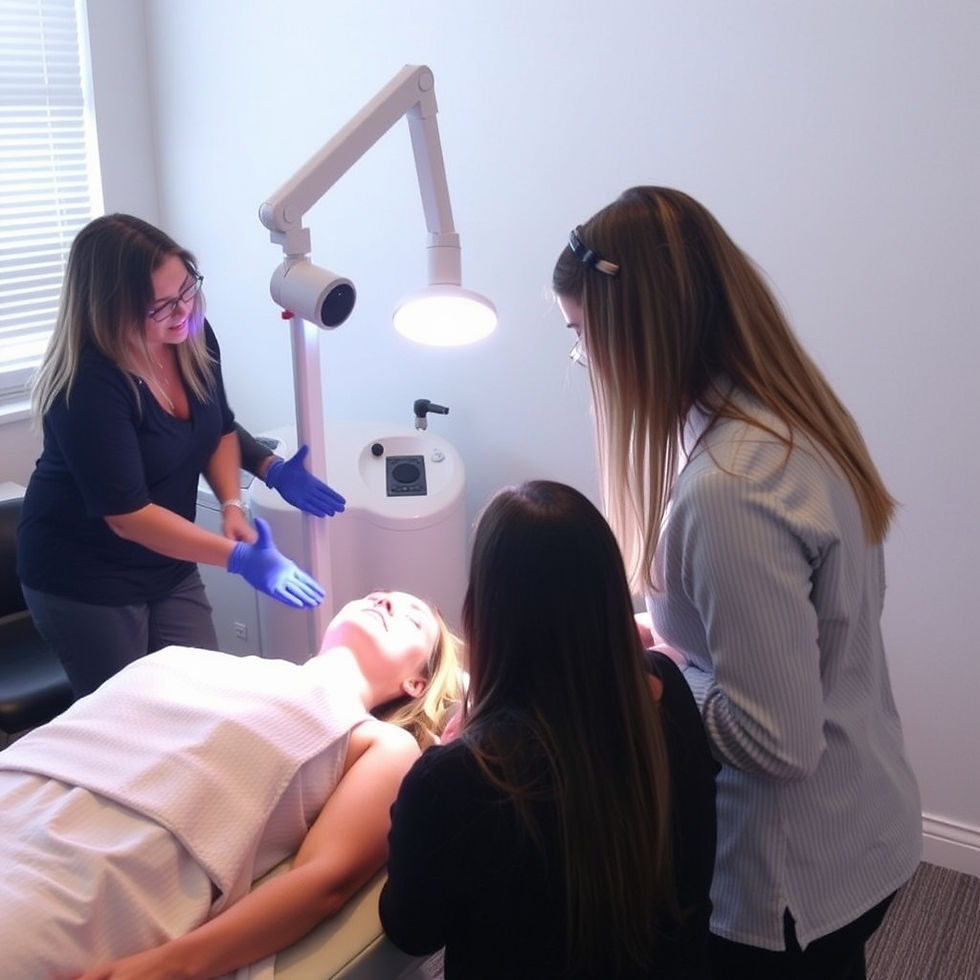
Certification ensures technicians understand laser physics, skin anatomy, device settings, and safety protocols. Proper training reduces risks, improves treatment consistency, and supports better client outcomes. Certified practitioners deliver safer, more effective care.
What Does the Laser Tattoo Removal Certification Course in Arizona Include?
The Laser Tattoo Removal Certification Course in Arizona offered by Get Laser Certified delivers comprehensive training for estheticians, nurses, and other health and beauty professionals. The course covers essential topics, including laser physics, skin anatomy, and safety protocols. The curriculum is structured to equip professionals with the skills and knowledge required to perform tattoo removal safely and effectively.
How Does State Compliance Ensure Safe and Effective Treatments?
State regulations set training and certification standards that protect clients and standardise care. Compliance confirms that technicians meet legal and safety requirements and helps maintain professional credibility.
How Should Aftercare and Side Effects Be Managed Post-Treatment?
Aftercare reduces complications and supports healing. Key actions include protecting the area from sun, keeping skin moisturised, and monitoring for abnormal reactions. Sun protection involves keeping the treated area shielded from sun exposure to prevent pigmentation changes. Moisturization includes applying recommended ointments to keep the skin hydrated and promote healing. Monitoring side effects means keeping an eye on any unusual reactions and consulting a professional if necessary. Following these steps improves healing and supports the effectiveness of subsequent sessions.
What Are Common Side Effects of Laser Tattoo Removal?
Common effects include temporary redness, swelling, and possible blistering. Pigment changes—hypopigmentation or hyperpigmentation—can occur, especially in darker skin tones. Redness and swelling are temporary inflammation in the treated area. In some cases, blisters may form as the skin heals. Changes in skin color can occur, particularly in individuals with darker skin tones. Knowing these risks allows patients to prepare and follow aftercare to reduce complications.
What Aftercare Practices Promote Healing and Effectiveness?
Practical aftercare supports recovery and final results. Focus on hydration, avoiding irritants, and gentle skin care to protect the treated area. Hydration means keeping the skin moisturized to support healing. Avoiding irritants involves steering clear of harsh products that may irritate the skin. Gentle skincare includes using mild cleansers and avoiding scrubbing the treated area. Consistent aftercare improves healing and can enhance treatment effectiveness.
What Are the Cost and Time Expectations for Complete Tattoo Removal?
Costs and total time depend on tattoo size, complexity, and the number of sessions. Expect $200 to $500 per session on average, with total costs commonly between $1,000 and $4,000 for complete removal.
How Does Treatment Duration Vary by Tattoo Characteristics?
Session length varies with tattoo size, colour saturation, and location. Small tattoos usually take less time; large or dense tattoos require longer treatments. A consultation gives a precise time estimate.

What Are the Typical Costs Associated with Multiple Sessions?
Per‑session fees typically range from $200 to $500. Total expense for complete removal depends on the number of sessions; plan for $1,000 to $4,000 in most cases. Budgeting in advance helps clients avoid surprises.
Frequently Asked Questions
What should I expect during a laser tattoo removal session?
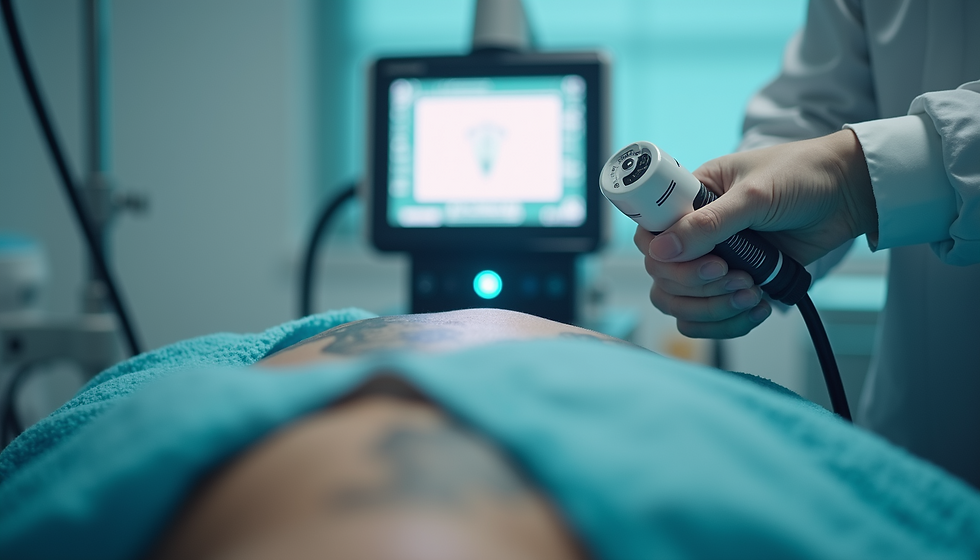
During treatment the technician will prepare the area, often using a cooling method, then apply laser pulses to the tattoo. You may feel brief stinging similar to a snap. Sessions usually last 15–30 minutes depending on size. Aftercare instructions will be provided.
Are there any long-term effects of laser tattoo removal?
Some patients develop lasting changes in skin colour or texture. Hypopigmentation or hyperpigmentation can occur, particularly in darker skin. Scarring is uncommon with proper technique. Following aftercare reduces long‑term risks.
Can all tattoos be removed completely?
Not all tattoos clear fully. Removal depends on ink composition, colour, depth, age, and skin type. Dark inks respond best; yellow and green are more resistant. A technician consultation will outline realistic outcomes for your tattoo.
How can I prepare for my tattoo removal sessions?
Prepare by avoiding sun exposure for at least two weeks, keeping skin moisturised, and staying hydrated. Avoid blood‑thinning medications or supplements if advised by your technician. Follow any clinic‑specific instructions before treatment.
What should I do if I experience side effects after treatment?
Follow the technician’s aftercare directions. Use cold compresses for swelling, keep the area clean and moisturised, and seek professional advice if symptoms worsen or do not resolve.
Is tattoo removal painful?
Pain varies by individual and tattoo location. Many describe it as comparable to tattoo application. Clinics use cooling or topical anaesthetics to reduce discomfort. Discuss pain management options with your technician beforehand.
How can I find a qualified tattoo removal technician?
Research local clinics, verify certifications, and confirm experience with the specific laser technology used. Read client reviews and schedule a consultation to assess the technician’s knowledge and safety practices.
Conclusion
Understanding how lasers work, the typical session ranges, and the role of technician training helps clients plan realistic treatment paths. Prioritise certified providers and consistent aftercare to improve safety and results. Consult trained professionals for personalised assessments and treatment plans.


Comments