
Become a Certified Laser Technician in Arizona
- contato356703
- Jan 17
- 6 min read
Updated: Jan 22

If you’re considering a career in cosmetic lasers, Arizona’s certification path offers a clear, practical route from training to practice. This guide breaks down the state requirements, the training options available, and the career opportunities that follow. Many candidates feel unsure about the exact steps—this article lays out the official rules, a step‑by‑step pathway to certification, the training modalities you can study, the role of Laser Safety Officers, and what the job market looks like for certified technicians in Arizona.
Official Arizona Certification Requirements for Laser Technicians
Arizona requires technicians to meet standards set by the Arizona Department of Health Services and the Bureau of Radiation Control. These rules exist to make sure anyone operating cosmetic lasers has the proper training and understands safe practices for working with laser devices.
Required Didactic and Hands‑On Training Hours
Arizona’s certification requires 64 total hours of training: 40 hours of didactic instruction and 24 hours of hands‑on practice. Classroom work covers topics like laser physics, safety protocols, and skin anatomy. The hands‑on portion gives real experience with lasers and treatment techniques. Training programs must comply with state guidelines and provide a complete curriculum so students are prepared for certification and safe practice.
Which Regulatory Bodies Oversee Certification in Arizona?
The Arizona Department of Health Services and the Bureau of Radiation Control oversee laser technician certification. ADHS defines training and certification standards, while the Bureau of Radiation Control enforces safety regulations for laser use in medical and cosmetic settings. Together, they help keep industry standards consistent and patient safety front and center.
Get Laser Certified is an Arizona‑based training provider offering state‑compliant courses for people pursuing certification as cosmetic laser technicians. Our programs combine didactic lessons with hands‑on practice and cover common modalities like laser hair removal, tattoo removal, and skin resurfacing. We build curricula to meet the Arizona Department of Health Services and Bureau of Radiation Control requirements, including the 40 hours of didactic and 24 hours of hands‑on training.
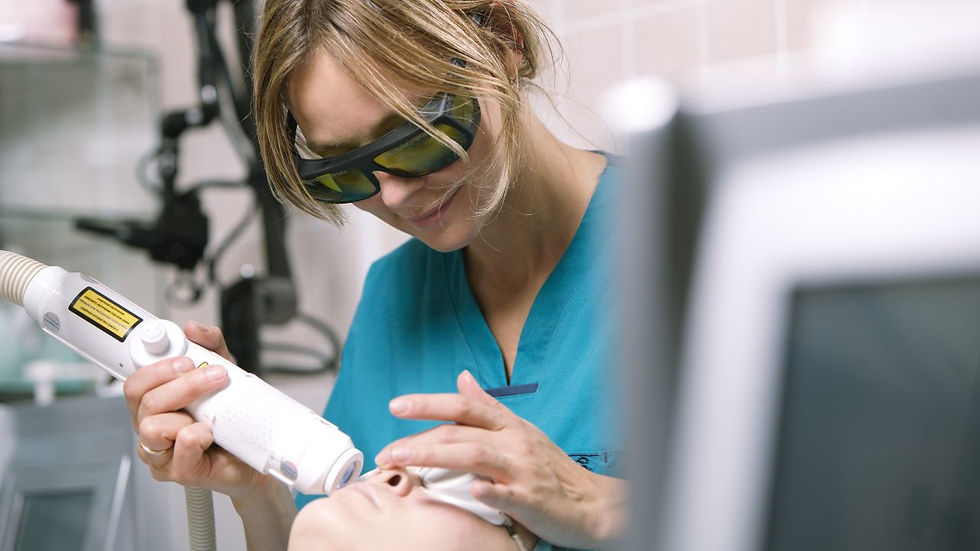
How to Become a Certified Laser Technician in Arizona: Step‑by‑Step
Becoming certified involves a few clear steps designed to make sure you’re competent and safe when working with lasers.
Enrollment and Training: What to Expect
Start by enrolling in an accredited training program that meets Arizona’s requirements. Most programs ask for a high school diploma or GED and any additional prerequisites the school lists. During training you’ll complete the required didactic and hands‑on hours, learn safety best practices, and gain practical skills operating laser equipment.
How to Apply for Your Arizona Laser Technician Certification
After finishing your training, submit your certification application to the Arizona Department of Health Services. Your application should include proof of completed training and any applicable fees. ADHS will review your submission; once approved, you’ll receive your certification and be authorized to work as a certified laser technician in Arizona.
Laser Training Programs and Modalities Available in Arizona
Arizona offers a range of training programs tailored to different cosmetic laser modalities so you can focus on the services you want to provide.
Courses Offered by Get Laser Certified for Arizona Certification
Get Laser Certified delivers focused courses that align with Arizona’s certification standards. Our classes—covering laser hair removal, tattoo removal, and skin resurfacing—combine theory with supervised practical work. Each course is structured so students complete the required hours and graduate ready to apply for state certification.
Key Modalities: Laser Hair Removal, Tattoo Removal, IPL
The main treatment areas covered in training include:
Laser Hair Removal: Training on safe, effective techniques and protocols for long‑term hair reduction.
Tattoo Removal: Instruction in methods and equipment for reducing or removing tattoos while minimizing risk.
Intense Pulsed Light (IPL): Education on IPL use for pigmentation, vascular lesions, and other skin conditions.
Mastering these modalities prepares technicians to offer the most requested cosmetic laser services.
Laser Safety Officers: Role and Certification in Arizona
Laser Safety Officers (LSOs) help ensure clinics meet safety standards and that laser operations are managed responsibly. Their role is central to a safe practice environment.
Why Laser Safety Officer Certification Matters
LSO certification is vital for anyone tasked with overseeing laser use in a clinic. LSOs establish safety protocols, perform risk assessments, and make sure staff follow safety procedures—steps that reduce accidents and protect both patients and operators.
How to Get Laser Safety Officer Certification in Arizona
To become a certified LSO, complete a specialized training program covering laser safety principles, regulatory requirements, and risk management. After training, candidates apply for certification through the appropriate regulatory channels to demonstrate their readiness to manage laser safety in a clinical setting.
Career Opportunities and Job Outlook for Certified Laser Technicians in Arizona
Demand for certified laser technicians in Arizona is increasing as more people pursue cosmetic procedures and technology advances. That translates to more job openings across clinics, medspas, and specialty practices.
Current Demand and Typical Salary Range
The job market is strong, with clinics and medspas actively hiring qualified technicians. Salaries vary by experience, location, and services offered, generally ranging from $35,000 to $65,000 per year. As you gain experience or specialize, opportunities for higher pay and leadership roles grow.
How Certification Influences Career Growth in Medical Aesthetics
Certification signals professionalism and competence—and it often makes you a stronger candidate for better roles and pay. Employers look for certified technicians because they understand safety and best practices, which supports career advancement and specialization.

Common Questions About Arizona Laser Technician Licensing
Here are answers to frequently asked questions from people starting their certification journey.
Can I Work as a Laser Technician in Arizona Without Certification?
No. Arizona requires technicians to be certified to ensure they’ve completed the necessary training and understand safety protocols. Working without certification risks legal trouble and jeopardizes client safety.
Is a GED or High School Diploma Required for Certification?
Yes. Most training programs require a high school diploma or GED for enrollment. That baseline helps ensure candidates can absorb technical material and safety standards covered in the curriculum.
Frequently Asked Questions
What Are the Continuing Education Requirements for Certified Laser Technicians in Arizona?
Certified technicians must complete continuing education to keep their certification current. This usually means attending workshops, seminars, or additional courses covering new technology and updated safety practices. ADHS may define specific renewal hour requirements, so staying current with state guidance is important for licensure and professional competence.
What Should I Look for in a Laser Technician Training Program?
Choose a program that is state‑compliant and transparent about its curriculum and hands‑on hours. Look for accredited instruction, experienced instructors, access to modern equipment, and any job‑placement support. Reviews and alumni testimonials can give a sense of a program’s reputation and outcomes.
Are There Age Restrictions for Becoming a Laser Technician in Arizona?
Yes—candidates must be at least 18 years old to enroll in training and apply for certification. This age requirement helps ensure trainees have the maturity needed to follow safety protocols and handle laser equipment responsibly. Check individual programs for any additional age policies.
What Are the Job Responsibilities of a Certified Laser Technician?
Certified technicians perform cosmetic laser procedures like hair removal, tattoo removal, and skin resurfacing. Responsibilities include client consultations, skin assessments, creating treatment plans, following safety protocols, maintaining equipment, and monitoring clients during and after treatment. Technicians also educate clients on aftercare and manage potential side effects.
Can I Specialize in a Specific Laser Treatment After Certification?
Yes. After certification you can pursue additional training to specialize in areas such as laser hair removal, tattoo removal, or skin rejuvenation. Specialization often requires extra coursework or certification but can increase your earning potential and help you build a niche practice.
What Are the Common Challenges Faced by Aspiring Laser Technicians?
Common challenges include finding accredited programs, navigating the certification process, and gaining initial experience in a competitive job market. Staying current with industry developments, pursuing continuing education, and networking with professionals can help you overcome these hurdles and find solid job opportunities.
Conclusion
Becoming a certified laser technician in Arizona is a practical, rewarding step into a growing field that blends technical skill with aesthetic care. By knowing the state requirements and choosing a state‑compliant training program, you can confidently move from student to certified practitioner. If you’re ready to build a career helping clients feel their best, enroll in a compliant course and start your certification path today.


Comments