
Skin Rejuvenation Treatments — A Complete Guide to Techniques, Benefits, and Safe Results
- contato356703
- Jan 30
- 6 min read
Updated: Feb 3

More people are choosing skin rejuvenation to refresh their complexion and restore confidence. These treatments cover a range of procedures that improve skin texture, tone, and overall health. This guide walks you through the most common techniques, their benefits, and why working with certified professionals matters. Whether you’re dealing with aging, sun damage, or acne scarring, targeted rejuvenation can help you achieve clearer, healthier-looking skin. Below we define what skin rejuvenation is, outline top treatment options, and explain how certification protects your results and safety.
What skin rejuvenation is — and why it matters
Skin rejuvenation describes treatments designed to restore a fresher, more youthful appearance while improving skin health. These procedures address concerns like fine lines, wrinkles, uneven tone, and rough texture. Beyond appearance, effective rejuvenation boosts collagen and elastin production — the proteins that keep skin firm and resilient — which supports long-term skin health and helps you feel more confident in your skin.
How skin rejuvenation treatments improve appearance and skin health
Treatments work in different ways depending on the method. Lasers reach targeted skin layers to jump-start collagen production. Chemical peels remove the outer damaged layer to reveal smoother skin underneath. Microneedling creates controlled micro-injuries that trigger natural repair and remodeling. Each approach addresses specific issues and, when chosen correctly, produces a healthier, more even, and more radiant complexion.
Why certified laser technicians matter
Certified laser technicians bring the training and judgment needed for safe, consistent results. Certification means they understand device settings, skin types, and safety protocols — and can tailor treatments to your needs. That expertise lowers the chance of complications and helps you get the outcome you expect, with clear aftercare guidance and realistic recovery timelines.
Which skin rejuvenation treatments are most effective?
There are several proven options, each suited to different concerns. Knowing the strengths of each treatment helps you and your technician choose the best plan.
Treatment Type | Benefits | Procedure Overview |
Laser Skin Resurfacing | Softens wrinkles, fades scars, corrects sun damage | Uses focused laser energy to remove damaged layers and stimulate collagen formation. |
Chemical Peels | Smooths texture and balances tone | Applies a calibrated chemical solution to exfoliate and reveal fresh skin. |
Microneedling | Boosts collagen, refines texture | Uses fine needles to create controlled micro-injuries that trigger repair. |
IPL Treatments | Reduces pigmentation and redness | Delivers broad-spectrum light to target pigment and visible vessels. |
Dermal Fillers | Restores volume and softens lines | Injectable gels add volume and smooth contours for immediate improvement. |
This table highlights key options and how they work. A certified technician can recommend which treatment — or combination — best suits your skin goals.
How laser skin resurfacing works and what it treats
Laser resurfacing uses concentrated light to remove damaged outer layers and encourage new skin growth. It’s effective for fine lines, wrinkles, acne scars, and sun-damaged skin. Treatments are customized to your skin type and concern to maximize improvement in texture and tone while managing downtime.
Chemical peels — benefits and what to expect
Chemical peels use a controlled chemical application to shed the outer layer of skin, revealing fresher skin below. Benefits include smoother texture, reduced discoloration, and more even tone. Peels range from mild (light exfoliation) to deeper resurfacing depending on goals and skin condition. A typical session includes cleansing, controlled application for a set time, then neutralization and aftercare instructions.
Microneedling: what happens during the procedure and why it helps
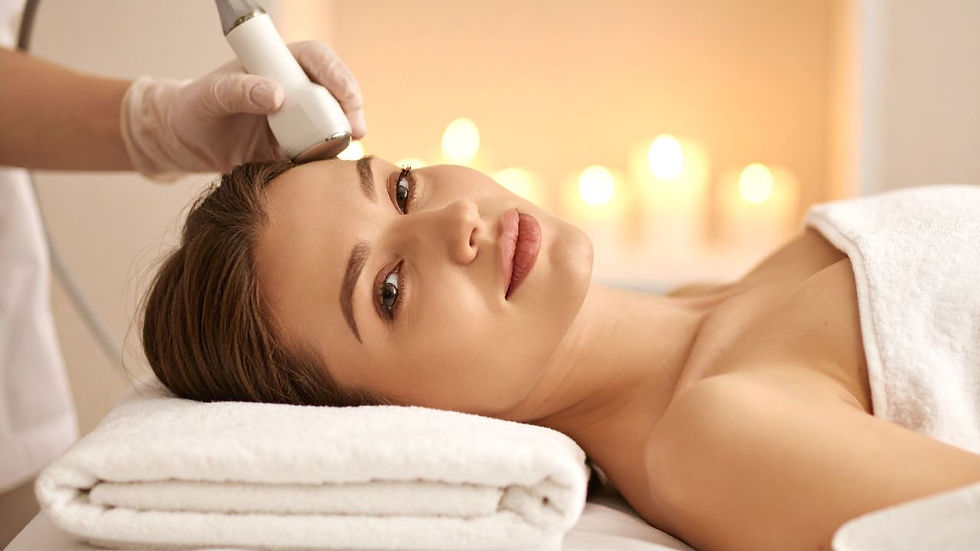
Microneedling is a minimally invasive treatment that creates tiny, controlled punctures in the skin. Those micro-injuries prompt the body’s natural healing response, increasing collagen and elastin production. The result is improved texture, softer fine lines, and better product absorption. It’s suitable for many skin types and often used for acne scarring, enlarged pores, and overall skin renewal.
Skin concerns microneedling can improve
Acne Scars: Reduces scar depth by encouraging collagen remodeling.
Fine Lines & Wrinkles: Firms and smooths the skin’s surface.
Uneven Texture: Evens tone and refines rough patches.
Stretch Marks: Can lessen visibility by promoting repair.
The technician’s role during microneedling
Your technician prepares the skin, chooses the correct needle depth, and monitors comfort and technique throughout the session. They’ll explain pre-treatment steps and give clear post-care instructions to support healing and results. Skilled hands and good communication are key to a safe, effective treatment.

What IPL photo rejuvenation is and how it helps
Intense Pulsed Light (IPL) therapy uses broad-spectrum light to treat pigmentation, redness, and sun damage. The light is absorbed by pigmented cells and small blood vessels, which the body then clears away. Results include a more even skin tone and improved texture with minimal downtime when performed correctly.
Skin conditions commonly treated with IPL
Sun Damage: Fades brown spots and evens tone.
Rosacea: Reduces facial redness and visible capillaries.
Hyperpigmentation: Lightens dark spots for a more uniform complexion.
Fine Lines: Improves texture and softens shallow wrinkles.
Safety protocols technicians must follow for IPL
Pre-Treatment Assessment: Review skin type, medications, and medical history before treatment.
Eye Protection: Provide and require goggles to shield the eyes from light.
Equipment Care: Regular maintenance and calibration of devices to ensure consistent performance.
Aftercare Guidance: Clear instructions to support healing and reduce side effects.
How dermal fillers are used and what to know
Dermal fillers are injectables that restore lost volume and smooth lines for immediate contouring and rejuvenation. Common areas include cheeks, lips, and nasolabial folds. Fillers offer fast results and can be matched to individual anatomy and goals; choosing a certified injector ensures natural-looking outcomes and safer techniques.
Common filler types and their effects
Hyaluronic Acid Fillers: Add hydration and volume — great for lips and softening wrinkles.
Calcium Hydroxylapatite Fillers: Provide structure and stimulate collagen for deeper lines and contouring.
Poly-L-lactic Acid Fillers: Work gradually to restore volume over several months — ideal for long-term contour improvement.
How certified technicians support safe filler results
Consultation: Assess goals, explain options, and set realistic expectations.
Precise Injection Technique: Use appropriate placement and volumes for natural results.
Aftercare: Offer instructions to minimize swelling and monitor for complications.

Why certification matters for skin rejuvenation
Certification verifies that a provider has the training and competency to perform aesthetic treatments safely and effectively. Certified technicians learn device operation, patient assessment, emergency protocols, and ethical practice — all of which raise the standard of care and reduce the risk of poor outcomes.
As demand for aesthetic services grows, regulated training and certification become essential tools for protecting patients and maintaining trust in the industry.
Regulated Training & Certification for Aesthetic Procedures
As aesthetic services expand, more providers are entering the field — not all with formal education in aesthetic medicine. Without standardized training and certification, the risk of improper technique, avoidable complications, and inconsistent results rises. Clear regulatory standards and accredited programs help set competency benchmarks that protect patients and preserve confidence in cosmetic care.
The need for regulated training and certification for providers entering into aesthetic medicine, 2025
How certification improves safety and outcomes
Proper training: Certified clinicians learn evidence-based techniques and how treatments interact with different skin types.
Best practices: Programs emphasize safety protocols, device handling, and ethical standards.
Patient confidence: Certification reassures clients that their provider follows professional guidelines and prioritizes safety.
Why choose Get Laser Certified courses?
Hands-on learning: Practical training ensures you build real skills, not just theory.
Affordable, practical education: Courses are designed to deliver job-ready skills without unnecessary cost.
Career support: Graduates receive guidance and job placement help to start their careers in aesthetics.
Frequently Asked Questions
How long is recovery after skin rejuvenation treatments?
Recovery varies by procedure. Laser resurfacing can require one to two weeks of healing with temporary redness and peeling. Chemical peels often have shorter downtimes — a few days for superficial peels — while microneedling typically produces mild redness for 24–48 hours. Follow your technician’s aftercare for the best healing and results.
Are skin rejuvenation treatments suitable for all skin types?
Many treatments can be adapted for different skin types, but not every procedure is right for everyone. People with sensitive skin or certain medical conditions may need alternative approaches. A certified technician will assess your skin and recommend safe, effective options tailored to you.
How often should treatments be repeated?
Frequency depends on the treatment and your goals. Chemical peels are commonly scheduled every 4–6 weeks, microneedling every 3–6 months, and laser schedules vary based on the device and desired outcome. Your technician will create a plan that balances effectiveness with recovery time.
What side effects should I expect?
Common temporary side effects include redness, swelling, peeling, and increased sensitivity. More intensive procedures like laser resurfacing can have longer recoveries. Most effects resolve in days to weeks; discuss risks with your technician and follow aftercare to manage them.
Can treatments be combined for better results?
Yes — combining treatments can enhance results when done safely. For example, microneedling may be paired with chemical peels or topical serums to boost texture and absorption. Always work with a certified technician to design a safe, phased plan that suits your skin.
How should I prepare for a treatment?
Start with a consultation to review your goals and medical history. You may be asked to avoid sun exposure, certain medications, or irritating skincare products before treatment. Following pre-treatment instructions reduces risk and helps you get the best outcome.
Conclusion
Skin rejuvenation offers practical, effective ways to address fine lines, uneven tone, and texture while supporting long-term skin health. Choosing certified technicians ensures treatments are delivered safely and with predictable results. Explore your options, ask questions during a consultation, and work with a trained professional to create a plan tailored to your skin and goals.


Comments