
Aftercare Tips for Effective Laser Tattoo Removal

Effective Laser Tattoo Removal Aftercare: Essential Tips for Safe Healing and Recovery
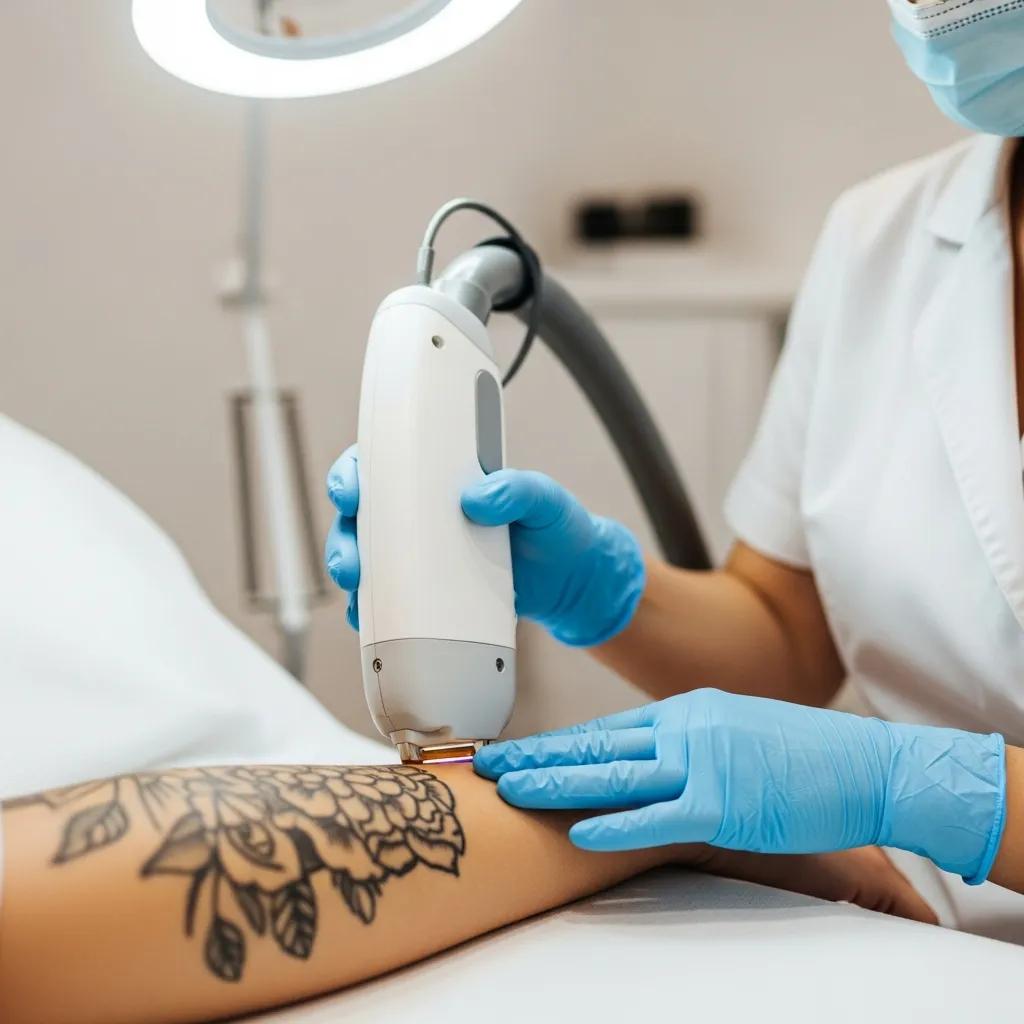
Laser tattoo removal removes unwanted ink, but proper aftercare is essential to ensure healing and reduce complications. This article provides clear guidance on the healing process, skin biology, infection prevention, and managing pain and swelling. Follow these recommendations to improve outcomes and lower the risk of adverse effects.
Healing Process and Stages
Healing after laser tattoo removal proceeds in stages. The treated area typically becomes inflamed and red, then forms scabs as the body clears ink particles. Recovery usually takes about 6 to 12 weeks, but timing varies with tattoo size, depth, and individual skin type.
What Is the Skin Healing Process After Laser Tattoo Removal?
Healing begins with an inflammatory response. The laser creates micro-injuries that recruit repair cells to the site, and new skin forms as damaged tissue is shed.
How Does Laser Treatment Affect Skin Biology and Recovery?
The laser targets ink in the dermis and fragments particles so the body can remove them. The treatment also stimulates collagen production, which supports skin regeneration and recovery.
What Are the Typical Healing Stages and Timelines?
Typical stages include initial redness and swelling, scab formation, and eventual scab shedding to reveal new skin. Most people see noticeable improvement within 6 to 12 weeks.
Skin Biology and Recovery
Understanding skin structure helps optimise aftercare. The epidermis provides a barrier, while the dermis contains blood vessels and connective tissue that support repair. After laser treatment, the skin follows a natural healing sequence that requires appropriate care.
How Does Laser Treatment Affect Skin Biology and Recovery?
Laser therapy causes controlled damage that breaks down ink and triggers regeneration of healthy skin cells. Proper aftercare supports this process and reduces the chance of complications.
Essential Aftercare Tips
Follow these core aftercare steps to lower infection risk and support faster recovery.
Keep the Area Clean : Gently wash the treated area with mild soap and water to prevent infection.
Moisturize Regularly : Apply a recommended moisturizer to keep the skin hydrated and support healing.
Avoid Sun Exposure : Protect the treated area from direct sunlight to prevent pigmentation changes and irritation.
If you plan to work in laser tattoo removal, certification is essential. Get Laser Certified provides focused training that teaches the skills and protocols required for safe, effective treatments.
Practices to Prevent Infection and Promote Healing
Infection prevention is critical. Follow specific practices to reduce the risk of complications.
Daily Cleaning : Clean the area daily with a gentle cleanser to remove any debris or bacteria.
Avoiding Irritants : Steer clear of harsh chemicals or products that may irritate the skin.
Monitoring for Signs of Infection : Be vigilant for any signs of infection, such as increased redness, swelling, or pus.
Hygiene Practices
Maintain proper hygiene to reduce infection risk and support the healing process.
Using Clean Hands : Always wash your hands before touching the treated area to prevent introducing bacteria.
Avoiding Swimming Pools : Stay away from pools, hot tubs, and other bodies of water until the area has fully healed.
Maintaining Cleanliness : Keep the treated area clean and dry to promote healing.
Methods to Avoid Scarring and Support Skin Regeneration
To reduce scarring and aid skin regeneration, follow these recommended methods.
Do Not Pick at Scabs : Allow scabs to fall off naturally to prevent scarring.
Stay Hydrated : Drink plenty of water to support skin health and recovery.
Use Gentle Products : Opt for gentle, fragrance-free products to avoid irritation.
Managing Pain and Swelling
Manage pain and swelling with these practical strategies.
Cold Compresses : Apply cold compresses to the treated area to reduce swelling and discomfort.
Over-the-Counter Pain Relief : Use over-the-counter pain relief medications as needed to manage discomfort.
Monitoring Symptoms : Keep track of any unusual symptoms and consult a healthcare professional if necessary.
What Are Safe Methods to Alleviate Discomfort and Inflammation?
Use cold compresses and take anti-inflammatory medication as directed to control pain and swelling.
When Should You Seek Medical Advice for Side Effects?
Seek medical advice promptly for severe pain, excessive swelling, or any signs of infection. Early intervention reduces the risk of complications.
Further research emphasizes the importance of recognizing and managing potential complications, such as pathological wound healing, especially with high-energy laser settings.
Managing Pathological Wound Healing After Laser Tattoo Removal Higher energy settings have often been used to reduce treatment sessions to a minimum however, this approach may lead to possible post-laser skin complications such as pathological wound healing. This case report highlights the importance of recognizing early stages of pathological wound healing encountered after high fluence 1064 nm QS laser tattoo removal. Early implementation of a proportional wound care strategy with anti-neoangiogenic and anti-inflammatory properties through the unconventional use of potent topical steroids applied in a pulsed fashion resulted in positive control of the tissue repair processes. This approach led to effective wound healing re-modulation achieving near normal skin remodelling and optimal tissue healing which in turn, permitted the completion of necessary QS tattoo removal sessions to accomplish successful and safe tattoo fading whilst maintaining overall patient satisfaction. Persistent eschar-like wound healing after Q-switched 1064 nm hybrid nanosecond-picosecond laser monochromatic tattoo removal: management and evolution, 2024
Which Skin Care Products Are Recommended for Laser Tattoo Removal Recovery?
Use skin-care products formulated for post-laser recovery, such as gentle moisturizers and healing ointments.
What Moisturizers and Creams Support Healing Skin?
Moisturizers containing aloe vera or hyaluronic acid help hydrate and soothe the skin, supporting recovery.
Are There Products to Avoid During Aftercare?
Avoid products that contain alcohol, fragrances, or harsh chemicals, as these can irritate the skin and delay healing.
When Is It Safe to Resume Normal Activities and Sun Exposure?
Resume normal activities once the skin has healed, which may take several weeks. Avoid sun exposure until full healing to prevent pigmentation changes.
How Long Is the Typical Laser Tattoo Removal Recovery Time?
Recovery typically takes 6 to 12 weeks, depending on individual factors and tattoo size. Proper aftercare supports faster improvement.
What Precautions Should Be Taken Regarding Sun Exposure?
Avoid direct sun exposure during the healing period. If sun exposure is unavoidable, apply a high-SPF sunscreen to protect the treated area.
How Does Professional Laser Technician Certification Enhance Aftercare Guidance?
Professional certification ensures technicians are trained in current techniques and aftercare protocols, enabling them to provide accurate guidance during recovery.
What Training Do Certified Technicians Receive on Aftercare Protocols?
Certification includes training on aftercare topics such as pain management, infection prevention, and measures that promote healing.
How Can Certification Improve Patient Safety and Outcomes?
Certification improves patient safety by ensuring technicians follow current best practices, which leads to better outcomes and reduced risk.
Frequently Asked Questions
What should I do if I notice signs of infection after laser tattoo removal?
If you notice increased redness, swelling, pus, or fever, seek medical attention immediately. Early treatment can prevent complications. Your provider may prescribe antibiotics or other treatments. Monitor the area closely and follow your aftercare instructions.
How can I manage discomfort during the healing process?
Reduce discomfort with cold compresses and over-the-counter analgesics such as ibuprofen or acetaminophen. Follow dosage instructions and consult a healthcare professional if pain persists or worsens.
Is it safe to use makeup on the treated area after laser tattoo removal?
Do not apply makeup until the area is fully healed. Makeup can irritate the skin and increase infection risk. Once healed and scabs have fallen, use non-comedogenic, fragrance-free products.
How can I ensure optimal healing after laser tattoo removal?
For optimal healing, follow aftercare instructions: keep the area clean and moisturized, avoid sun exposure, and do not pick scabs. Stay hydrated, eat a balanced diet, and avoid strenuous activities that cause excessive sweating or irritation.
What lifestyle changes can support my recovery after laser tattoo removal?
Support recovery by staying hydrated, avoiding smoking and excessive alcohol, and eating a balanced diet rich in vitamins and minerals.
When can I expect to see the final results of my laser tattoo removal?
Final results may take several months to appear. You may notice some fading within weeks, but substantial ink reduction often occurs over 6 to 12 weeks depending on tattoo size, ink type, and skin response. Adhere to aftercare for the best outcome.
Conclusion
Effective aftercare is essential for optimal healing and to minimise complications. Follow recommended practices to enhance recovery and achieve the best results. Prioritise cleanliness, hydration, and sun protection. For further guidance and resources, review our comprehensive aftercare tips today.
Comments