
Understanding Laser Tattoo Removal Healing Process

Understanding Laser Tattoo Removal Healing Process
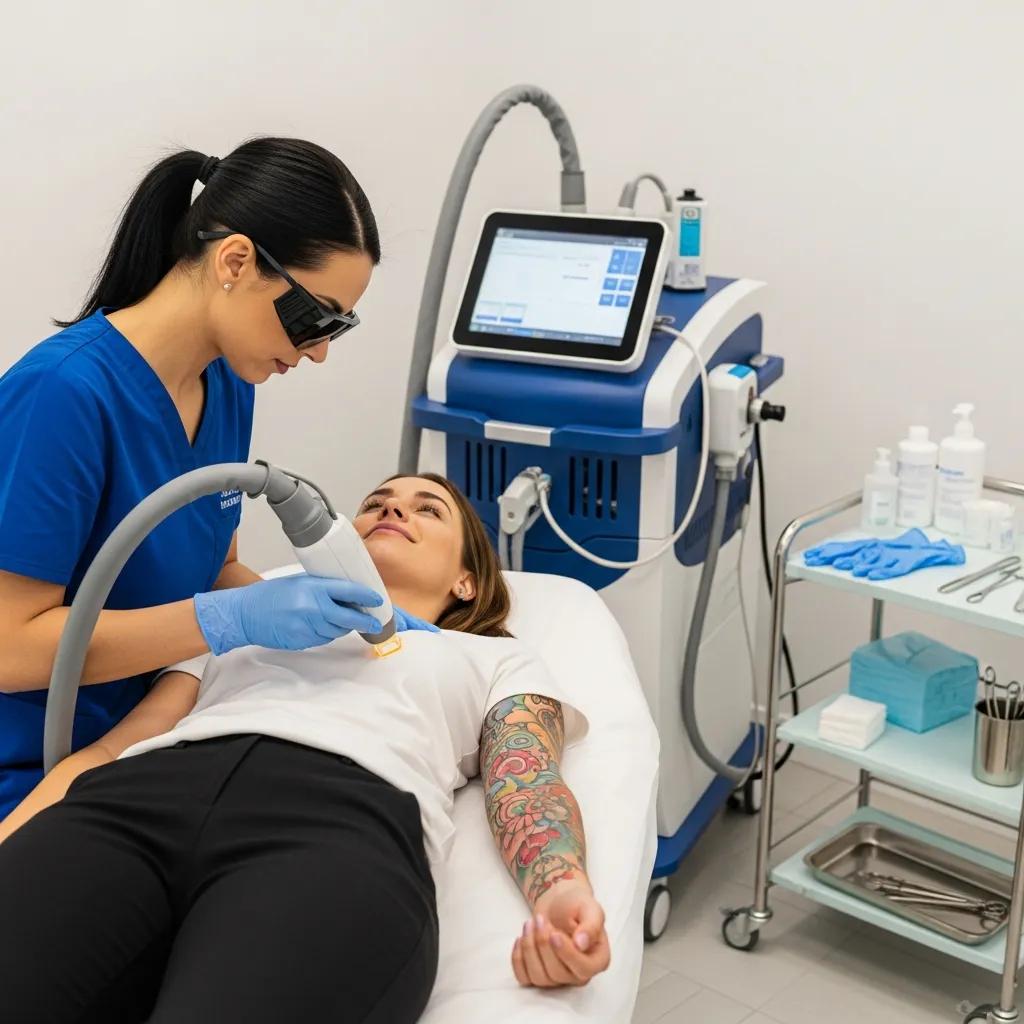
The healing process after laser tattoo removal is a critical aspect that determines the success of the procedure. Understanding this process can help individuals manage their expectations and ensure optimal recovery. This article will delve into the key stages of healing, essential aftercare practices, potential risks, and the healing timeline associated with laser tattoo removal. Many people experience anxiety about the recovery phase, but with proper knowledge and care, the healing process can be smooth and effective. We will explore the symptoms to expect, how to care for the skin post-treatment, and when it is safe to schedule follow-up sessions.
Understanding the technological advancements and potential limitations of laser tattoo removal is crucial for setting realistic expectations about the entire process, including healing.
Laser Tattoo Removal: Avoiding Scars & Managing Expectations The technology used to remove tattoos began with destructive methods of removal, which wreaked havoc not only on the tattoo but more prominently on the skin containing that tattoo. The discovery of selective photothermolysis, the ability to selectively remove target structures without disrupting the surrounding skin, made it at least possible to remove tattoos without destroying the surrounding skin and leaving a scar. Too often, the wrong devices operating in the millisecond range, such as intense pulsed light sources, or lasers that are nonselective, such as the carbon dioxide laser, are used to treat tattoos, resulting in significant scarring without complete removal of the tattoo. Although the Q-switched lasers are capable of removing tattoos without harming the skin, removal often takes numerous treatments and still can be incomplete, especially when attempting to remove multicolored tattoos. Laser tattoo removal, 2007
Key Stages of Healing
The healing process after laser tattoo removal typically unfolds in several key stages. Understanding these stages can help individuals prepare for what to expect during recovery.
Days 1-3: During the initial days, the treated area may appear red and swollen. This is a normal response as the body begins to heal. It's essential to keep the area clean and avoid any irritants.
Days 4-7: As healing progresses, scabbing may occur. It's crucial to resist the urge to pick at the scabs, as this can lead to scarring. Moisturizing the area can aid in the healing process.
Weeks 1-2: By this stage, the scabs should start to fall off, revealing new skin underneath. The area may still be sensitive, so continued care is necessary to protect the healing skin.
Understanding these stages can help individuals navigate their recovery more effectively.
Essential Aftercare Practices
Aftercare is vital for ensuring proper healing following laser tattoo removal. Here are some essential practices to follow:
Keep the Area Clean: Gently wash the treated area with mild soap and water to prevent infection.
Moisturize Regularly: Applying a recommended ointment can help keep the skin hydrated and promote healing.
Avoid Sun Exposure: Protecting the area from the sun is crucial, as UV rays can hinder the healing process and lead to pigmentation issues.
Following these aftercare practices can significantly enhance the healing process and reduce the risk of complications.
Get Laser Certified is a specialized training provider focused on certifying individuals as professional laser technicians, with a strong emphasis on laser tattoo removal. The company offers a comprehensive certification course in Arizona, designed to educate students on laser technology, safety protocols, and the tattoo removal healing process.
Potential Risks
While laser tattoo removal is generally safe, there are potential risks associated with the healing process. Common side effects include:
Redness and Swelling: These are typical reactions that usually subside within a few days.
Scabbing: As the skin heals, scabs may form, which should not be picked at.
Infection: There is a risk of infection if proper aftercare is not followed.
Monitoring for these complications is essential to ensure a smooth recovery.
Indeed, studies highlight that while generally safe, laser tattoo removal can lead to various temporary and even permanent side effects, underscoring the need for thorough patient counseling.
Laser Tattoo Removal Side Effects & Patient Counseling Although these techniques are regarded as safe, both temporary and permanent side effects might occur. Local transient side effects occurred in nearly all participants, but an important rate of slightly visible scars (24 %) or even important scarring (8 %) was reported. As reported in the literature, nearly half of the participants experienced hypopigmentation in the treated area. Our results show that from the patients’ point of view there is an important rate of side effects occurring after laser tattoo removal. Appropriate pretreatment counseling with regard to realistic expectations, possible side effects, and the application of test spots is mandatory to ensure patient satisfaction. An Internet-based survey on characteristics of laser tattoo removal and associated side effects, 2014
Healing Timeline and Stages
The healing timeline for laser tattoo removal can vary based on several factors, including the size of the tattoo and individual skin types. Generally, the initial healing phase lasts about 1-2 weeks, while complete healing can take several weeks to months.
Factors influencing recovery time include:
Tattoo Size: Larger tattoos may take longer to heal.
Skin Type: Individuals with sensitive skin may experience a longer healing process.
Aftercare Compliance: Following aftercare instructions closely can expedite healing.
Understanding these factors can help individuals set realistic expectations for their recovery.
Expected Symptoms
During the healing process, individuals can expect to experience various symptoms. Common short-term effects include:
Itching: As the skin heals, itching may occur, which is a normal part of the recovery process.
Discoloration: The treated area may appear darker or lighter than the surrounding skin initially.
Sensitivity: The skin may be sensitive to touch for some time after treatment.
These symptoms are typically temporary and should resolve as healing progresses.
Recommended Aftercare Practices
To optimize healing, individuals should adhere to the following recommended aftercare practices:
Keep the Area Clean: Regularly clean the area to prevent infection.
Moisturize: Use a gentle moisturizer to keep the skin hydrated.
Avoid Picking: Do not pick at scabs or peeling skin to minimize scarring.
Implementing these practices can significantly improve the healing outcome.
How to Care for Skin Post-Treatment
Caring for the skin after laser tattoo removal is crucial for achieving the best results. Here are some guidelines:
Gentle Cleansing: Use a mild cleanser to wash the area without scrubbing.
Hydration: Keep the skin moisturized to support the healing process.
Sun Protection: Apply sunscreen to protect the area from UV damage.
Following these guidelines can help ensure that the skin heals properly and reduces the risk of complications.
In more complex cases, recognizing and actively managing pathological wound healing with specific strategies can be critical for achieving optimal skin remodeling and allowing for successful subsequent treatments.
Managing Pathological Wound Healing in Laser Tattoo Removal This case report highlights the importance of recognizing early stages of pathological wound healing encountered after high fluence 1064 nm QS laser tattoo removal. Early implementation of a proportional wound care strategy with anti-neoangiogenic and anti-inflammatory properties through the unconventional use of potent topical steroids applied in a pulsed fashion resulted in positive control of the tissue repair processes. This approach led to effective wound healing re-modulation achieving near normal skin remodelling and optimal tissue healing which in turn, permitted the completion of necessary QS tattoo removal sessions to accomplish successful and safe tattoo fading whilst maintaining overall patient satisfaction. Persistent eschar-like wound healing after Q-switched 1064 nm hybrid nanosecond-picosecond laser monochromatic tattoo removal: management and evolution, 2015
When Is It Safe to Schedule Follow-Up Sessions?
Scheduling follow-up sessions for laser tattoo removal should be done with caution. It is generally recommended to wait at least 6-8 weeks between sessions to allow the skin to heal adequately. Signs indicating readiness for the next session include:
Complete Healing: Ensure that the skin has fully healed before proceeding.
No Active Symptoms: There should be no redness, swelling, or scabbing present.
Consulting with a qualified technician can help determine the appropriate timing for follow-up treatments.
How Long Does Tattoo Removal Recovery Take?
The recovery time for laser tattoo removal varies among individuals. Typically, initial healing occurs within 1-2 weeks, while complete recovery can take several weeks to months. Factors influencing recovery time include:
Tattoo Size: Larger tattoos may require more time to heal.
Skin Type: Different skin types may respond differently to treatment.
Aftercare Practices: Adhering to aftercare instructions can expedite recovery.
Understanding these factors can help individuals manage their expectations regarding recovery.
What Is the Typical Timeline for Skin Healing?
The typical timeline for skin healing after laser tattoo removal can be broken down into several phases:
Days 1-3: Initial redness and swelling.
Days 4-7: Scabbing and sensitivity.
Weeks 1-2: Scabs fall off, revealing new skin.
This timeline can vary based on individual factors, but understanding it can help individuals prepare for their recovery journey.
How Does Healing Time Vary by Individual Factors?
Healing time after laser tattoo removal can vary significantly based on individual factors. Key considerations include:
Age: Younger individuals may heal faster than older adults.
Skin Type: Sensitive skin may require more time to recover.
Health Conditions: Pre-existing health conditions can impact healing.
Recognizing these factors can help individuals understand their unique healing process and adjust their expectations accordingly.
Comments