
What Is Spider Vein Treatment
- contato356703
- Mar 9
- 9 min read

Spider vein treatment is a cosmetic procedure designed to reduce visible, small dilated blood vessels that commonly appear on the legs and face. These veins can cause cosmetic concern and, in some cases, discomfort. The main treatment options are laser vein removal and sclerotherapy; each uses a different mechanism to close and fade the veins. Knowing how these options work helps you choose the right approach for your aesthetic and health goals.
This guide explains key elements of spider vein treatment: how laser removal operates, certification standards for practitioners, common causes and symptoms, and the relative effectiveness of treatments. We also cover safety protocols and possible side effects. By reading this, you’ll have a clear overview of treatment options and the steps to become a certified laser technician.
Key Takeaways
Spider vein treatment reduces visible veins using laser removal or sclerotherapy techniques.
Laser vein removal targets veins with light energy, causing them to coagulate and fade.
Certification for practitioners requires training in cosmetic laser therapy and hands-on experience.
Spider veins are caused by genetics, hormonal changes, and lifestyle factors like prolonged standing.
Laser treatment is non-invasive with minimal recovery time and significant skin improvement.
Common laser technologies include Pulsed Dye, Nd:YAG, and Diode lasers for tailored treatments.
Safety protocols and potential side effects include redness, swelling, and temporary discoloration.
Certification enhances career opportunities in medical aesthetics with higher earning potential.
Laser treatment costs range from $300 to $600 per session, depending on various factors.
How Laser Vein Removal Works
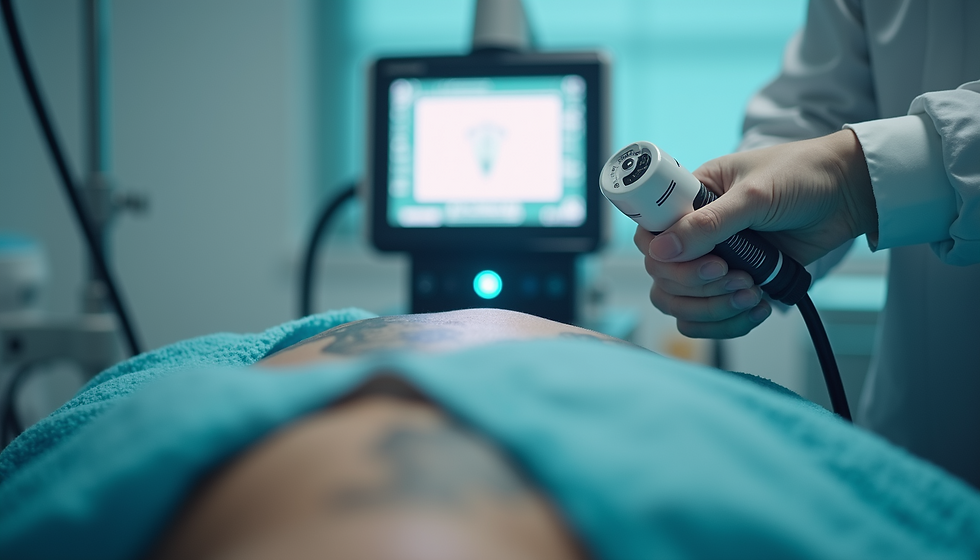
Laser vein removal is a non-invasive treatment that uses focused light to target spider veins. The device emits a specific wavelength absorbed by hemoglobin in the vessel. That absorption causes the vessel to coagulate, collapse, and gradually fade. The method is precise and typically requires little downtime.
Results depend on vein size and location. Many patients notice marked improvement after a single session, though larger or more extensive areas may need multiple treatments for optimal results. Because the procedure is non-invasive, patients usually return to normal activities quickly.
Certification Requirements
Practitioners performing spider vein treatments must meet defined certification standards to ensure safe, effective care. This usually means completing an accredited cosmetic laser training program covering device operation, indications, contraindications, and vein anatomy.
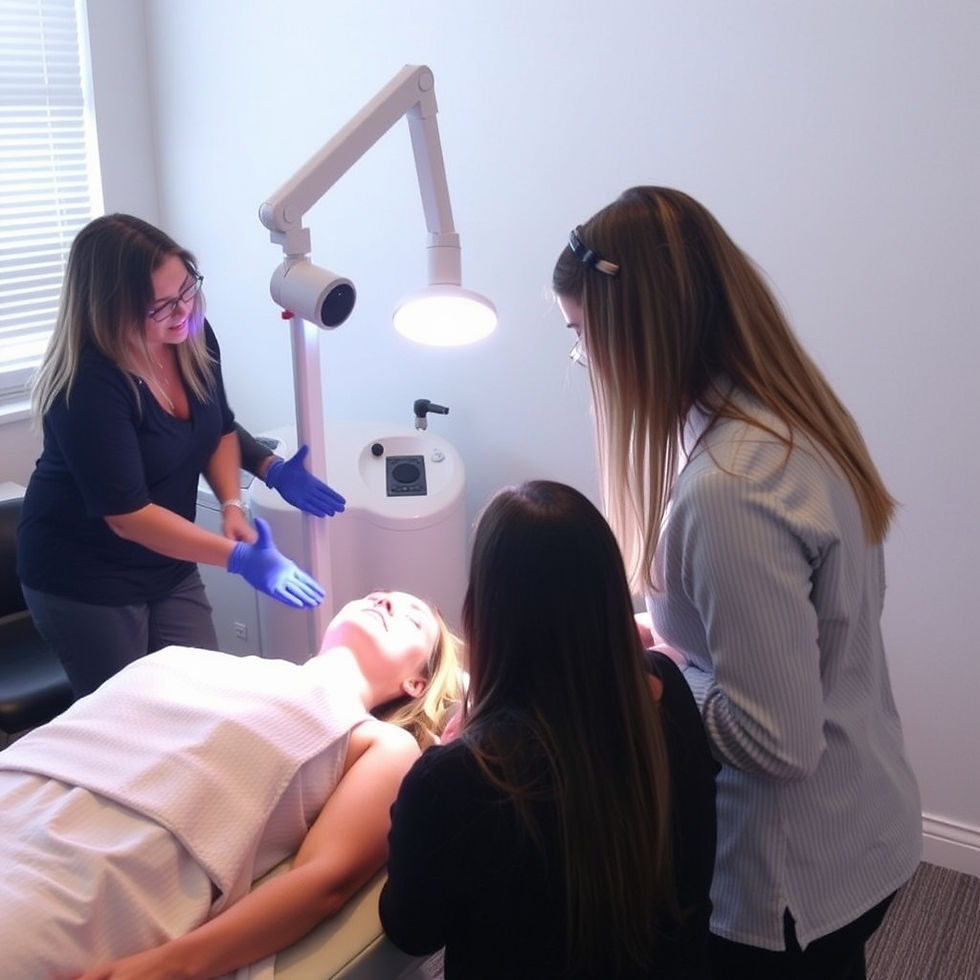
Practical, hands-on training is essential to build skill in treatment delivery and patient management. In many states, licensing or formal certification—often requiring passing an exam—is mandatory. These requirements maintain professional standards and protect patients.
For those pursuing this career path, Get Laser Certified provides training that combines theory with practical application. Their programs aim to prepare students for clinical practice as certified laser technicians.
What Are Spider Veins and Their Causes?
Spider veins are small, twisted vessels visible just under the skin. They appear in clusters and range in color from red to blue or purple. Common causes include genetic predisposition, hormonal changes, and prolonged standing or sitting, all of which can increase venous pressure and lead to dilation.
Lifestyle elements such as obesity, physical inactivity, and significant sun exposure can also contribute to their development. Recognizing these causes helps you address risk factors and reduce the chance of new veins forming.
How Do Spider Veins Develop and What Are Their Symptoms?
Spider veins form when venous valves weaken or fail, allowing blood to pool and pressure to rise. Age, pregnancy, and hormonal shifts can accelerate this process. Symptoms may include a sense of heaviness or aching in the legs, especially after long periods of standing or sitting.
Although mainly cosmetic, spider veins can sometimes signal venous insufficiency. If you experience persistent symptoms, consult a healthcare professional for a full assessment and appropriate treatment recommendations.

What Factors Contribute to the Formation of Spider Veins?
Several factors contribute to the formation of spider veins, including:
Genetic Factors: A family history of spider veins can increase the likelihood of developing them.
Hormonal Influences: Hormonal changes during pregnancy, menopause, or hormone replacement therapy can affect vein health.
Lifestyle Factors: Prolonged standing or sitting, obesity, and lack of physical activity can exacerbate the condition.
Knowing these contributors enables you to take preventive steps and seek timely treatment when needed.
How Does Laser Spider Vein Treatment Work?
Laser spider vein treatment delivers concentrated light energy to the targeted vessels, causing them to collapse and be reabsorbed. The procedure is usually done in clinic, causes minimal discomfort, and generally does not require anesthesia. Most patients feel a warming or tingling sensation during treatment.
Treatment effectiveness varies with vein size, location, and skin type. Many patients see meaningful improvement after one session, while complete resolution may require multiple treatments. Recovery is typically brief, allowing a quick return to routine activities.
What Laser Technologies Are Used in Spider Vein Removal?
Various laser technologies are used for spider vein removal, each offering distinct benefits. Common types include Pulsed Dye, Nd:YAG, and Diode lasers, which allow clinicians to match the device to vein depth, size, and patient skin type.
Laser Type | Mechanism | Advantages |
Pulsed Dye Laser | Targets hemoglobin in blood vessels | Effective for small veins, minimal side effects |
Nd:YAG Laser | Penetrates deeper tissues | Suitable for larger veins, versatile applications |
Diode Laser | Delivers precise energy | Quick treatment times, effective for various skin types |
These technologies let practitioners tailor treatment to each patient, improving outcomes and patient satisfaction.
What Is the Typical Procedure and Session Duration?
The standard process for laser spider vein treatment includes several steps:
Consultation: A thorough evaluation of the patient's medical history and vein condition.
Preparation: The treatment area is cleaned, and protective eyewear is provided.
Treatment: The laser is applied to the targeted veins, with each session lasting approximately 15 to 30 minutes, depending on the extent of the treatment area.
Visible improvement typically appears within weeks, with full effects developing over several months as treated veins are absorbed by the body.
What Are the Safety Protocols and Potential Side Effects of Laser Vein Removal?
Safety protocols include a comprehensive patient assessment, correct device selection and calibration, and strict hygiene practices. Practitioners must inform patients about risks, contraindications, and expected recovery steps before treatment.
Common side effects may include:
Redness and Swelling: Temporary irritation at the treatment site.
Bruising: May occur as the body absorbs the treated veins.
Discoloration: Some patients may experience changes in skin pigmentation.
These effects are generally mild and resolve within days to a few weeks without intervention.
How Safe Is Laser Treatment for Spider Veins?
When delivered by qualified practitioners, laser treatment for spider veins is considered safe. Clinical studies report high success rates and low complication rates. Discussing your medical history and any concerns with your provider helps ensure a safe, effective treatment plan.
What Side Effects and Risks Should Patients Expect?
Although laser vein removal is typically safe, patients should expect potential side effects such as:
Temporary Redness: Mild redness at the treatment site that typically resolves quickly.
Swelling: Some swelling may occur but usually subsides within a few days.
Bruising: Bruising can happen as the body heals, but it is usually temporary.
Follow your provider’s post-treatment care instructions to reduce risks and support recovery.
How Can You Become a Certified Laser Technician for Spider Vein Treatment?
Becoming a certified laser technician requires a clear sequence of steps designed to build competence and safety.
Complete a Training Program: Enroll in a recognized cosmetic laser training program that covers the necessary skills and knowledge.
Gain Hands-On Experience: Participate in practical training to develop proficiency in administering treatments.
Obtain Certification: Pass any required examinations to become certified to practice.
Completing these steps ensures technicians can deliver safe, effective spider vein treatments to patients.
What Does Cosmetic Laser Certification Involve?
Cosmetic laser certification combines classroom instruction with supervised practical training. Key areas covered include laser physics, clinical indications and contraindications, and safety protocols specific to cosmetic procedures.
Understanding Laser Physics: Learning about the principles of laser technology and its applications in cosmetic procedures.
Patient Assessment: Gaining skills in evaluating patients for appropriate treatment options.
Hands-On Training: Practicing laser techniques under the supervision of experienced instructors.
Finishing these components prepares you for a career in medical aesthetics and improves your ability to provide quality care.
How Does Certification Enhance Career Opportunities in Medical Aesthetics?
Certification in cosmetic laser therapy increases employability and professional credibility. Employers and patients prefer certified technicians because they demonstrate verified skills. Certification also supports higher earning potential and greater job stability as demand for qualified practitioners grows.
What Are the Costs and Practice Model Opportunities for Spider Vein Treatment?
Treatment costs vary with technique, treatment area, and practitioner experience. On average, laser vein removal sessions range from $300 to $600 per session, depending on procedure complexity and clinical setting.
Practice model opportunities include:
Medical Spas: Offering a range of aesthetic services, including laser treatments.
Dermatology Clinics: Providing specialized care for skin conditions, including spider veins.
Independent Practices: Establishing a standalone practice focused on cosmetic procedures.
Each model lets practitioners structure services to meet client needs while optimizing revenue potential.
How Much Does Laser Vein Removal Typically Cost?
Laser vein removal typically costs between $300 and $600 per session. Actual pricing depends on the number and size of veins treated, geographic location, and provider experience. Consult with your provider for a tailored estimate based on your treatment plan.
What Practice Models Support Affordable Spider Vein Treatments?
Several business models can make spider vein treatments more affordable for patients while supporting clinic sustainability.
Membership Programs: Offering discounted rates for patients who commit to multiple sessions.
Package Deals: Providing bundled services at a reduced price for comprehensive treatment plans.
Flexible Financing Options: Allowing patients to pay for treatments over time, making them more accessible.
These approaches increase access to care while keeping practice revenues predictable.
What Are Common Questions About Spider Vein Treatment?
Patients frequently ask:
Is the treatment painful?: Most patients report minimal discomfort during the procedure.
How long does recovery take?: Recovery is typically quick, with most individuals resuming normal activities within a day or two.
Are the results permanent?: While treated veins may not return, new veins can develop over time due to underlying factors.
Answering these questions helps patients make informed treatment decisions and set realistic expectations.
Is Spider Vein Treatment Painful and How Long Is Recovery?
Most patients tolerate spider vein treatment well. Sensations are commonly described as mild warming or tingling. Recovery is short; many return to normal activities within 24–48 hours. Adhering to post-treatment care improves healing and outcomes.

How Effective Is Laser Treatment Compared to Sclerotherapy?
Both laser treatment and sclerotherapy are effective but operate differently. Laser uses focused light to close vessels; sclerotherapy injects a solution that collapses the vein. Clinical evidence shows positive results for both, and choice depends on vein characteristics and patient factors.
Research also supports combining these methods in select cases to improve outcomes for specific patient groups.
Combined Sclerotherapy & Laser for Spider Veins
Efficacy data show that combining POL (polidocanol) and laser was safe and satisfactory in 96% of patients when low‑fluence laser pulses were used, with cumulative energy over a 3 cm venous segment lower than conventional treatment. Few and transient complications were observed. POL foam injection followed by laser pulses is reported as safe and effective for treating veins in darker‑skinned patients. The study focused on spider leg veins under 1.5 mm on skin type IV and used repeated low‑fluence Nd:YAG pulses, 2013.
Consulting a qualified practitioner will identify the best single or combined approach based on your vein characteristics and desired outcome.
Frequently Asked Questions
What should I expect during a spider vein treatment consultation?
At consultation, the practitioner reviews your medical history and examines your veins. Expect a discussion of symptoms, treatment goals, and risks. You can ask about procedure details, recovery, and expected results. If indicated, the clinician may order diagnostic tests to identify underlying causes and create a personalised treatment plan.
How can I prevent spider veins from developing?
Prevention focuses on lifestyle measures: regular exercise to improve circulation, maintaining a healthy weight to reduce venous pressure, and avoiding long periods of standing or sitting. Use compression stockings when appropriate, protect skin from excess sun, and manage hormonal factors when possible. These steps lower your risk but do not eliminate genetic factors.
Are there any alternatives to laser treatment for spider veins?
Yes. Sclerotherapy is the primary alternative and involves injecting a solution that collapses the vein. Other options include surgical vein stripping for larger veins and endovenous laser therapy for varicose veins. Each method has specific indications, so consult a qualified practitioner to choose the suitable option.
How long do the results of spider vein treatment last?
Results vary by individual, treatment method, and lifestyle. Treated veins usually do not return, but new veins can develop due to genetics or behavior. Maintenance measures—exercise, weight control, and avoiding prolonged immobility—help sustain results. Periodic follow‑up treatments may be recommended.
What should I do if I experience side effects after treatment?
If you have redness, swelling, or bruising after treatment, follow your practitioner’s post‑care instructions; most reactions resolve in days to weeks. Contact your provider promptly if you experience severe pain, signs of infection, or persistent symptoms so they can assess and manage any complications.
Can spider veins return after treatment?
Yes. While the treated veins are generally gone, new spider veins can appear due to underlying causes such as genetics, hormones, or lifestyle. To reduce recurrence, maintain a healthy weight, exercise regularly, avoid long periods of standing or sitting, and keep regular follow‑up with your practitioner.
Conclusion
Understanding spider vein treatment lets you make informed choices about your vein health and appearance. Effective options like laser removal and sclerotherapy can improve comfort and skin appearance. Consult qualified practitioners to determine the best, personalised plan and take the first step by scheduling a consultation.


Comments