
Is Laser Tattoo Removal Really Effective?

Is Laser Tattoo Removal Really Effective?
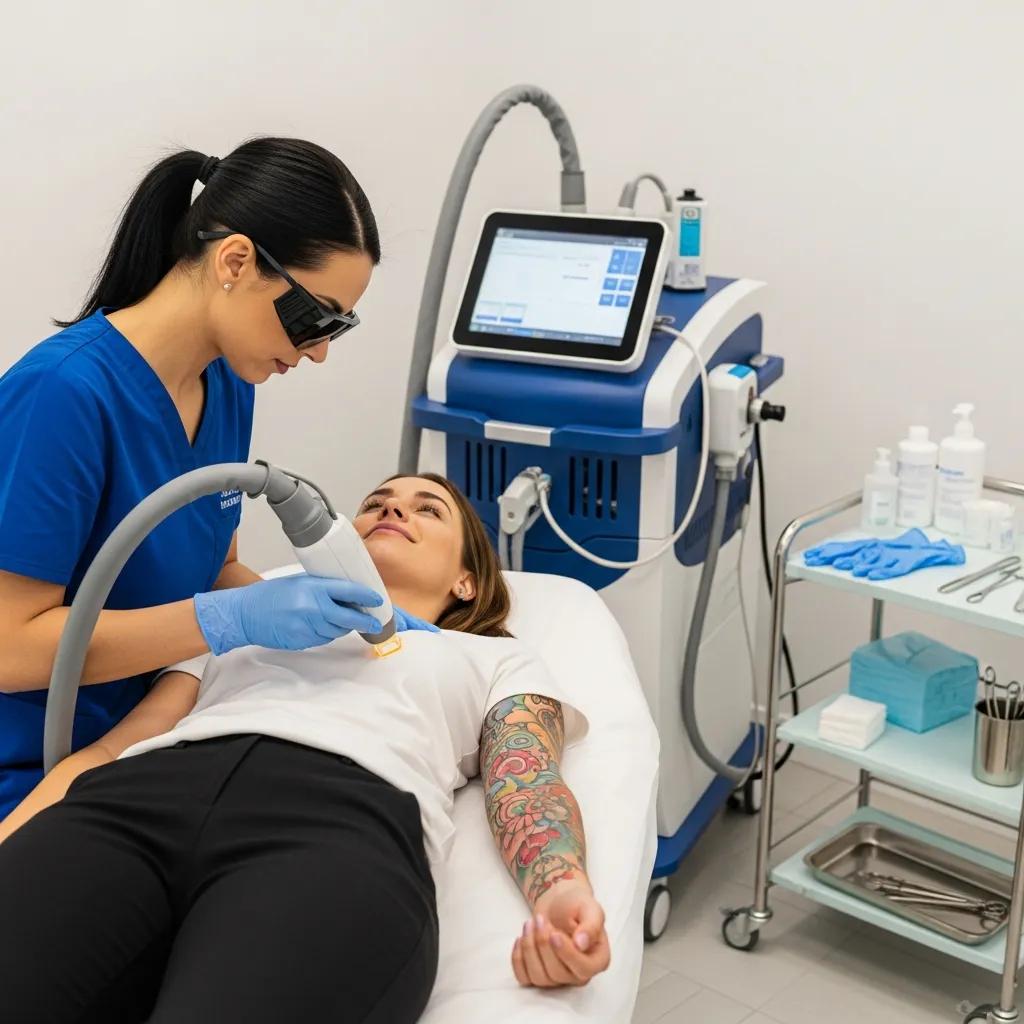
Laser tattoo removal has gained popularity as a reliable method for erasing unwanted ink, but many individuals still question its effectiveness. This article delves into the mechanisms behind laser tattoo removal, the factors influencing its success rates, and the technologies involved. Readers will learn about the typical outcomes, the impact of tattoo characteristics, and the importance of professional certification in ensuring safe and effective treatments. By understanding these elements, individuals can make informed decisions about their tattoo removal options.
The effectiveness of laser tattoo removal is influenced by various factors, including the age of the tattoo, the type of ink used, and the technology employed during the procedure. This article will explore these aspects in detail, providing insights into how different laser technologies work and what clients can expect in terms of results. Additionally, we will discuss the significance of aftercare and long-term effects, ensuring a comprehensive understanding of the tattoo removal process.
Effectiveness and Success Rates
The effectiveness of laser tattoo removal varies significantly based on several factors, including the characteristics of the tattoo itself. Generally, most clients require between 5 to 10 sessions, spaced 6 to 8 weeks apart, to achieve satisfactory results. Dark inks, particularly black and blue, are typically easier to remove than lighter colors, which can complicate the process. Understanding these success rates is crucial for anyone considering tattoo removal.
For those seeking to ensure the best possible outcomes, working with certified professionals is essential. Get Laser Certified offers a specialized Laser Tattoo Removal Certification Course in Arizona, equipping individuals with the necessary skills and knowledge to perform effective and safe tattoo removal treatments. This certification emphasizes the importance of understanding the technology and safety protocols involved in the process.
Laser Technologies
Different laser technologies play a pivotal role in the effectiveness of tattoo removal. The two primary types of lasers used are Q-Switched lasers and Picosecond lasers. Q-Switched lasers are effective for many common ink colors, while Picosecond lasers utilize ultrashort pulses to shatter ink particles, often resulting in faster and more effective removal.
The foundational understanding of how lasers interact with tattoo ink, known as selective photothermolysis, underpins the efficacy of Q-switched lasers in particular.
Laser Tattoo Removal: Selective Photothermolysis & Q-Switched Lasers The discovery of selective photothermolysis, the ability to selectively remove target structures without disrupting the surrounding skin, made it at least possible to remove tattoos without destroying the surrounding skin and leaving a scar. Theory predicted that pulse durations in the nanosecond domain would be optimal for tattoo removal, and the Q-switched neodymium:yttrium-aluminum-garnet, alexandrite, and ruby lasers operate in this range and are the key tools for modern tattoo removal. Laser tattoo removal, 2007
Indeed, Q-switched lasers have long been considered the benchmark for effective tattoo removal, with ongoing research continually evaluating their performance.
Laser Tattoo Removal: Efficacy, Safety & Tattoo Characteristics Q-switched lasers, have traditionally been considered the criterion standard laser for tattoo removal. This systematic review aims to examine the efficacy and safety of all existing laser therapy options used in tattoo removal. The outcomes measured included laser parameters, treatment methods, patient and tattoo characteristics, clearance rate, and adverse effect profile. Comparing the efficacy and safety of laser treatments in tattoo removal: a systematic review, ALH Ghadah, 2022
Laser Technology | Mechanism | Effectiveness | Treatment Time |
Q-Switched Lasers | Emits high-energy pulses to break down ink | Effective for dark inks | Requires more sessions |
Picosecond Lasers | Uses ultrashort pulses to shatter ink particles | More effective across a broader spectrum of colors | Generally faster results |
This comparison highlights how different technologies can impact the tattoo removal process, making it essential for clients to understand their options.
What Are the Differences Between Q-Switched and PicoSure Lasers?
Q-Switched lasers and PicoSure lasers differ significantly in their approach to tattoo removal. Q-Switched lasers typically require more sessions to achieve desired results, especially for complex tattoos. In contrast, PicoSure lasers are more effective across a broader spectrum of colors, often leading to quicker and more efficient removal. This difference in effectiveness can influence a client's choice of treatment, making it essential to consult with a certified technician who understands these technologies.
Further scientific literature elaborates on the distinct mechanisms and comparative effectiveness of these laser technologies, particularly regarding particle fragmentation.
Picosecond vs. Q-Switched Lasers for Tattoo Removal Efficacy A major mechanism of tattoo removal is laser assisted fragmentation of these particles, which are then transported away from the skin. For many years, Q-switched lasers with nanosecond pulse durations at high light intensities have been applied to cause such fragmentationviarapid heating up while sparing the adjacent tissue. In the past few years, lasers with even shorter pulse duration in the subnanosecond range were launched for tattoo removal. Theoretical considerations assumed that pulse durations shorter than nanoseconds allow even more effective fragmentation of tattoo particles. A couple of initial studies affirm the effectiveness of picosecond pulses in tattoo treatment, especially in clearing black tattoos. Laser assisted tattoo removal–state of the art and new developments, 2019
Aftercare and Long-Term Effects
Aftercare is a critical component of the tattoo removal process, as following proper instructions can significantly influence the overall effectiveness and healing time. Most clients experience minimal long-term side effects when aftercare guidelines are adhered to, but neglecting these instructions can lead to complications such as scarring or infection. Understanding the importance of aftercare is vital for anyone undergoing laser tattoo removal.
What Is the Typical Success Rate of Laser Tattoo Removal?
The typical success rate of laser tattoo removal varies based on several factors, including the age of the tattoo and the type of ink used. Generally, clients can expect a significant reduction in tattoo visibility after completing the recommended number of sessions. Darker inks tend to respond better to treatment, while lighter colors may require additional sessions for optimal results.
How Do Tattoo Age and Ink Color Affect Removal Effectiveness?
Tattoo age and ink color are crucial factors in determining the effectiveness of laser removal. Older tattoos often fade naturally over time, making them easier to remove. Additionally, darker inks, such as black and blue, absorb laser energy more effectively than lighter colors, which can complicate the removal process. Understanding these factors can help clients set realistic expectations for their tattoo removal journey.
Which Laser Technologies Are Most Effective for Tattoo Removal?
The effectiveness of laser technologies varies, with Q-Switched and Picosecond lasers being the most commonly used. Q-Switched lasers are effective for many common ink colors, while Picosecond lasers provide faster results and are more effective across a broader spectrum of colors. Clients should consult with certified technicians to determine the best technology for their specific tattoo removal needs.
What Are the Common Side Effects and Safety Considerations?
Common side effects of laser tattoo removal include temporary redness, swelling, and blistering at the treatment site. These effects are typically mild and resolve within a few days. However, it is essential to work with certified technicians who understand safety protocols to minimize risks during treatment. Proper aftercare is also crucial in preventing complications and ensuring optimal healing.
How Can Certified Technicians Minimize Risks During Treatment?
Certified technicians play a vital role in minimizing risks during laser tattoo removal. By adhering to safety protocols and understanding the intricacies of different laser technologies, they can provide effective treatments while reducing the likelihood of adverse effects. Clients should always seek out certified professionals to ensure the highest standards of care and safety.
How Does Laser Tattoo Removal Certification Impact Treatment Quality?
Laser tattoo removal certification significantly impacts treatment quality by ensuring that technicians possess the necessary knowledge and skills to perform procedures safely and effectively. Get Laser Certified's Laser Tattoo Removal Certification Course in Arizona emphasizes practical skills and safety protocols, equipping technicians to deliver high-quality care to their clients. This certification not only enhances the technician's expertise but also instills confidence in clients seeking tattoo removal services.
What Are the Benefits of Completing a Laser Tattoo Removal Course in Arizona?
Completing a Laser Tattoo Removal Course in Arizona offers numerous benefits for aspiring technicians. Participants gain hands-on experience with the latest laser technologies, learn about safety protocols, and understand the intricacies of tattoo removal. This comprehensive training prepares individuals to enter the field with confidence, ensuring they can provide effective and safe treatments to clients seeking tattoo removal services.
Comments