
How Laser Tattoo Removal Works — Explained Simply
- contato356703
- Feb 17
- 6 min read
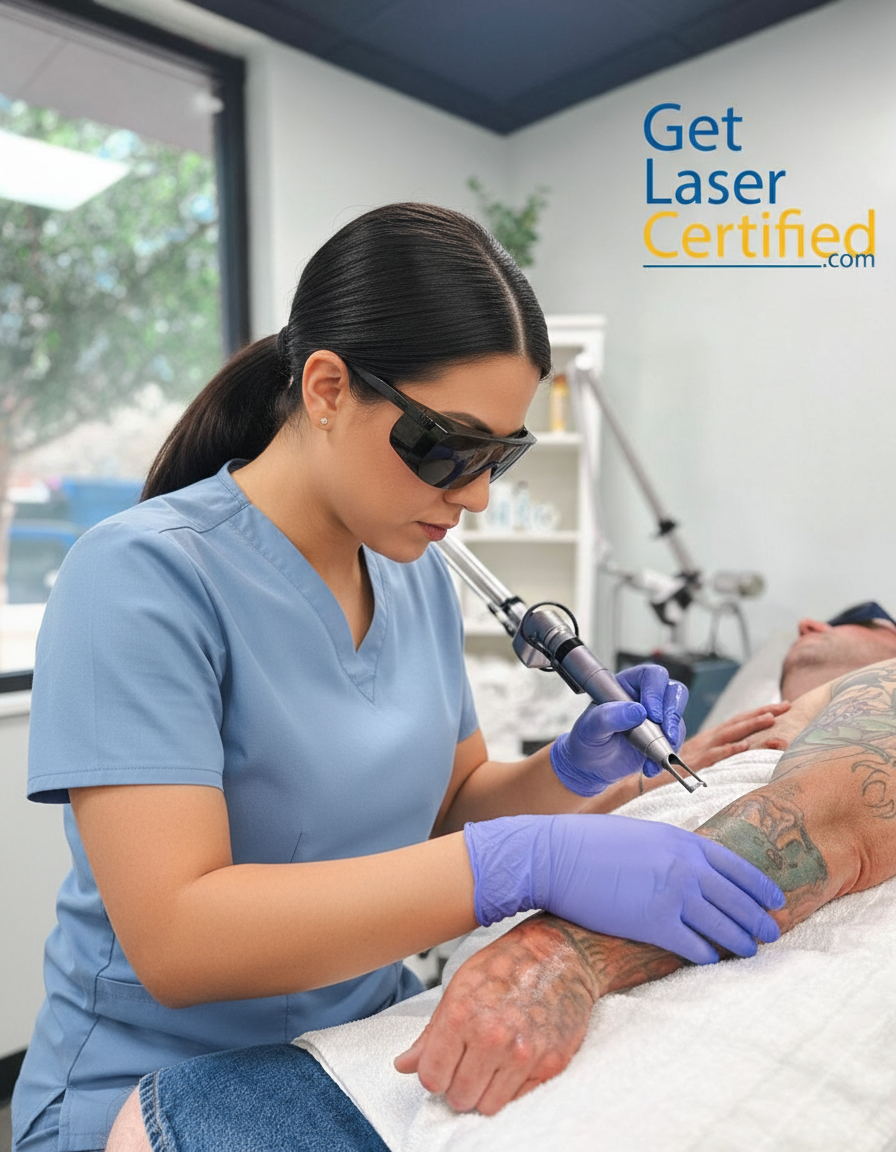
Laser tattoo removal uses targeted laser light to break ink into tiny particles your body can clear. Specific wavelengths focus on pigment while minimizing damage to surrounding skin. The main advantage is that lasers can significantly fade — and sometimes fully remove — unwanted tattoos, making them a common choice for people ready to move on. Below, we walk through the main laser types, the typical treatment steps, possible side effects, cost considerations, Arizona compliance rules, and essential aftercare.
Tattoo Removal Laser Types — What They Are and How They Work
Several laser platforms are used for tattoo removal, and each acts a little differently. Knowing those differences helps you and your technician choose the best approach for your tattoo.
Lasers are the gold standard for tattoo removal, and newer picosecond systems are becoming increasingly common.
Laser Tattoo Removal: Core Principles & Common Types
Lasers are the current treatment of choice for removing tattoos because they outperform older methods. Common devices include 532 nm and 1064 nm neodymium-doped yttrium aluminum garnet (Nd:YAG) lasers, the Q-switched 694 nm ruby laser, and the Q-switched 755 nm alexandrite laser. Picosecond lasers, however, are rapidly gaining favor for certain pigments and cases.
Laser tattoo removal: laser principles and an updated guide for clinicians, N Mohsin, 2022
How Q‑Switched and Picosecond Lasers Target Ink
Q‑Switched and picosecond lasers are the most commonly used systems. Q‑Switched lasers deliver very short, intense bursts of light that shatter ink particles into smaller fragments the immune system can clear. Picosecond lasers use even shorter pulses, which can target ink more precisely and in some cases reduce the number of sessions needed. Both technologies improve results compared with older techniques.
Comparative research on nanosecond (Q‑Switched) and picosecond systems suggests picosecond devices may remove pigment more effectively while potentially reducing side effects.
Laser Tattoo Removal Mechanism: Nanosecond vs. Picosecond
A key mechanism is laser-assisted fragmentation of pigment particles, which are then transported away from the skin. For many years, Q‑switched lasers with nanosecond pulse durations at high light intensities produced this fragmentation via rapid heating while sparing adjacent tissue. In recent years, lasers with even shorter pulse durations in the subnanosecond (picosecond) range have been introduced. Consequently, picosecond technology may offer more effective pigment removal with a lower rate of side effects for some tattoos.
Laser assisted tattoo removal–state of the art and new developments, 2019
Advantages and Limitations of Each Laser Type
Each laser has strengths and trade-offs. Q‑Switched lasers handle a wide range of colors and tend to be more affordable, but they may require more sessions. Picosecond lasers can work faster and perform better on stubborn colors, yet they are usually more expensive. A consultation with a qualified technician will help match the laser to your tattoo’s colors, size, and placement.

Step-by-Step Laser Tattoo Removal Process and Safety Protocols
The removal process follows a series of steps designed to protect your skin and deliver reliable results.
What to Expect During a Typical Session
At the appointment, the technician evaluates the tattoo and your skin. We may apply a topical anesthetic to reduce discomfort. The laser is then used in short pulses to break up the ink. Sessions usually run 15 to 30 minutes, depending on tattoo size and complexity. After treatment you can expect some redness and swelling; these typically ease within a few days.
Essential Safety Measures for Treatment
Safety starts with well-maintained, correctly calibrated equipment and a thorough pre-treatment assessment of your skin and tattoo. Follow-up care—keeping the area clean and protected from sun exposure—is essential for healing. Technicians should hold proper training and certification in laser safety to ensure safe, consistent treatments.
Common Side Effects and How Fading Happens Over Time
Laser tattoo removal is generally safe, but it’s important to understand potential side effects and how the tattoo fades across sessions.
Common Side Effects After Treatment
Typical side effects include temporary redness, swelling, and occasional blistering at the treatment site. Some people may see changes in pigment (darker or lighter patches), which can be temporary or, less commonly, permanent. Following aftercare instructions closely helps reduce risks and supports better healing.
Studies on picosecond lasers confirm strong effectiveness while also reporting side effects such as pain, pigment changes, and blistering.
Picosecond Lasers for Tattoo Removal — Reported Side Effects
Because pigment particles in tattoos have a relaxation time of <10 ns, picosecond lasers are expected to be more effective than nanosecond lasers for some pigments. Reported side effects include pain, hyperpigmentation and hypopigmentation, blister formation, and transient erythema, edema, and pinpoint bleeding.
Picosecond lasers for tattoo removal: a systematic review, O Reiter, 2016
How Ink Fades Over Multiple Sessions
Lasers fragment ink into smaller particles that your immune system gradually removes. With each session you’ll usually see progressive fading. The total number of sessions depends on ink color, tattoo size, ink depth, and your skin type and immune response.
Costs and What Influences Pricing
The price of laser tattoo removal varies widely based on several factors.
Typical Cost per Session
You can generally expect to pay between $200 and $500 per session, depending on the tattoo’s size and complexity. Larger or multicolored tattoos often require more sessions, which raises the total cost.
How Size, Color, and Location Affect Price
Tattoo size, color, and placement all influence cost. Bigger tattoos need more time and resources to treat. Certain colors—like green and blue—can be harder to remove and may require more sessions. The tattoo’s location can also affect how accessible it is for treatment and how quickly it responds.
Arizona Compliance and Licensing Requirements for Laser Tattoo Removal
Arizona sets specific rules and training requirements for technicians who perform laser procedures.
Required Training and Clinical Hours in Arizona
Arizona law requires technicians to complete 64 hours of education: 40 hours of classroom (didactic) instruction and 24 hours of supervised clinical practice in laser safety and operation. This training helps ensure technicians have the skills to perform treatments safely.
How Get Laser Certified Helps Meet Requirements
Get Laser Certified is a cosmetic laser technician school in Peoria, Arizona, focused on preparing students for state-compliant licensure and careers in medical aesthetics. Founded in 2011, the program pairs accredited classroom coursework with structured hands-on training and offers instruction in English and Spanish to support compliance with Arizona licensing standards.

Aftercare and Patient Management: Improving Outcomes
Good aftercare and clear communication with your technician make a big difference in healing and final results.
Recommended Aftercare Steps
After treatment, keep the area clean and dry, use any prescribed ointments, and avoid direct sun exposure. Do not pick at scabs or blisters—doing so can cause scarring or infection. If you notice unusual symptoms, contact your technician or a medical provider.
Managing Expectations and Preparing for Multiple Sessions
Expect that complete removal may take several sessions spaced weeks apart to allow your skin to heal and your immune system to clear ink fragments. A consultation with a qualified technician will help set realistic goals and a treatment timeline. Knowing possible side effects and aftercare steps ahead of time improves the overall experience.
Frequently asked questions
What should I consider before choosing laser tattoo removal?
Before you decide, think about your tattoo’s size, color, and location—these affect effectiveness and cost. Consider your skin type and any medical conditions that could influence healing. A consultation with a trained technician will clarify expected results, potential side effects, and the likely number of sessions.
How long does the removal process take?
Individual sessions usually last 15 to 30 minutes, but the full removal process requires multiple sessions spaced weeks apart so the skin can recover and the immune system can clear ink particles. Ink color, tattoo age, and skin type all influence the total timeline.
Are there alternatives to laser tattoo removal?
Alternatives include surgical excision, dermabrasion, and chemical peels. Surgical excision removes the tattooed skin and can be effective for small tattoos but may leave a scar. Dermabrasion sands the skin surface, and chemical peels use acids to fade ink. These methods often carry higher risks of scarring and complications compared with laser removal.
What affects how well laser removal works?
Effectiveness depends on ink type and color, the tattoo’s age, ink depth, and your skin type and immune response. Dark inks (especially black) are usually easiest to remove. A professional assessment will give the most accurate expectation for your specific tattoo.
Will laser tattoo removal hurt?
Many people describe the sensation as similar to a rubber band snapping against the skin. Technicians commonly apply a topical anesthetic to reduce discomfort. Pain levels vary by tattoo location, size, and your personal tolerance. Any post-treatment soreness is usually manageable with over-the-counter pain relievers and subsides in a few days.
How can I get the best results from my treatment?
Follow your technician’s aftercare instructions closely: keep the treated area clean, avoid sun exposure, and don’t pick at scabs or blisters. Attend all scheduled sessions and keep open communication with your provider about any concerns. Staying hydrated and maintaining overall skin health also supports better healing.
Final thoughts
Laser tattoo removal is a safe, effective option for removing unwanted ink when performed by trained professionals. Understanding different laser types and following recommended aftercare helps you make informed choices and improves outcomes. When you’re ready, take the first step toward a fresh start — explore our professional laser tattoo removal services today.


Comments