
How Does Laser Hair Removal Work: Understanding the Process, Technology, Safety, and Training

Laser hair removal uses concentrated light to remove unwanted hair. It targets hair follicles precisely while limiting damage to surrounding skin. To understand the procedure, consider the device technology, the safety measures in place, and the training technicians require. Many people choose this treatment for long-term hair reduction, though questions about safety and effectiveness are common. This article explains the treatment steps, how laser light affects follicles, the main technologies used, and why proper training and certification matter.
Key Takeaways
Laser hair removal uses concentrated light to target hair follicles for long-lasting reduction.
Technician training is crucial for safe and effective laser hair removal treatments.
The process involves cleaning, shaving, and using a laser device to damage hair follicles.
Laser light interacts with melanin, generating heat to inhibit hair growth.
Different laser types, like diode and alexandrite, suit various skin tones and hair types.
Safety protocols include patient assessment and protective gear to minimize side effects.
Certification enhances career prospects and ensures high-quality laser hair removal services.
Affordable treatment options make laser hair removal accessible to a broader audience.
Safety Measures and Training
Safety is central to laser hair removal and requires thorough technician training. Proper instruction covers device operation and hair follicle anatomy to reduce risks and manage side effects. Technicians also learn pre-treatment assessments and the correct use of protective equipment for clients and staff. Effective training directly affects treatment outcomes and client safety.
What Is the Laser Hair Removal Process and How Does It Target Hair Follicles?
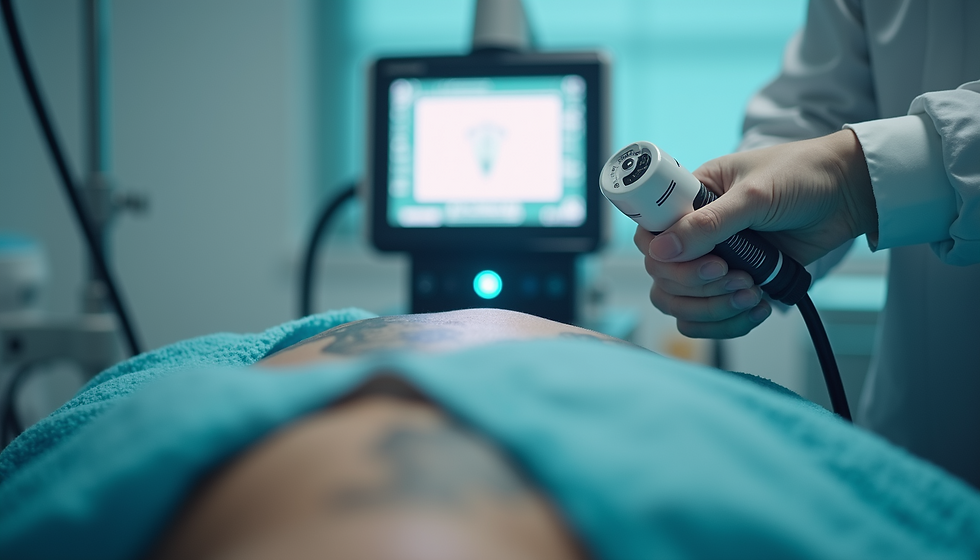
The laser hair removal procedure follows several defined steps. First, the area is cleaned and shaved to allow optimal laser penetration. The technician then applies a handheld laser that is absorbed by melanin in the hair follicles. Absorbed light converts to heat, which damages follicles and inhibits future hair growth. Effectiveness depends on hair color, skin type, and the hair growth cycle, so treatments are tailored to each person.
How Does Laser Light Interact with Hair Follicle Melanin?
Lasers target follicle melanin through selective photothermolysis. This process concentrates energy on dark pigment while sparing surrounding skin. When melanin absorbs the laser light, it converts to heat that injures the follicle and reduces its ability to produce hair. Wavelength and pulse duration are key variables that determine how well this interaction works. Understanding and adjusting these factors is important for safe, effective treatment.
What Are the Typical Treatment Sessions and Expected Outcomes?
The required number of sessions varies by individual factors such as hair type and growth cycle. Typically clients need 6 to 10 sessions spaced several weeks apart to reach optimal results. Each session lasts about 20 to 60 minutes depending on the treatment area. Expected outcomes include substantial hair reduction; many clients experience permanent hair loss after completing the recommended course.
Studies have demonstrated the efficacy of specific laser types, such as the long-pulsed alexandrite laser, in achieving significant and lasting hair reduction, even in challenging cases.
Alexandrite Laser for Effective Hair Reduction
The control of hair growth in the sinus region plays an important role in preventing recurrence. Here, we discuss our experience of treating 19 patients suffering from recurrent pilonidal sinus with laser depilation and its long-term cost effectiveness. This is a retrospective study on patients who had recurrence of pilonidal sinus following multiple surgical treatments. They were treated using long-pulsed alexandrite laser for depilation in the sinus area, an outpatient procedure. Their clinical characteristics and outcomes were then evaluated. There was a significant reduction in hair density after laser treatment (p< 0.001).
Control of hair growth using long-pulsed alexandrite laser is an efficient and cost effective therapy for patients suffering from recurrent pilonidal disease, AA Javed, 2016
Treatment Type | Average Cost per Session | Expected Results |
Diode Laser | $200 | 70-90% hair reduction |
Alexandrite Laser | $250 | 80-95% hair reduction |
Nd:YAG Laser | $300 | 60-80% hair reduction |
This table shows typical costs by technology and their expected effectiveness.

Which Laser Hair Removal Technologies Are Used and How Do They Differ?
Several laser systems are used in practice, each with specific applications and advantages. The most common types include:
Diode Lasers : Effective for a wide range of skin types, diode lasers are known for their efficiency and speed.
Alexandrite Lasers : These lasers are particularly effective for lighter skin tones and can treat larger areas quickly.
Nd:YAG Lasers : Suitable for darker skin types, Nd:YAG lasers penetrate deeper into the skin, making them effective for a broader range of hair colors.
Knowing these differences helps clients and technicians select the most appropriate option for skin type and hair color.
What Are the Main Laser Types: Alexandrite, Diode, and Nd-YAG?
Each laser type has specific features that affect its performance in hair removal.
Alexandrite Lasers : Known for their speed and effectiveness on light skin, they emit a wavelength of 755 nm, making them ideal for fine and light hair.
Diode Lasers : Operating at a wavelength of 800-810 nm, these lasers are versatile and can treat various skin types, including tanned skin.
Nd:YAG Lasers : With a wavelength of 1064 nm, Nd:YAG lasers are effective for darker skin tones and can penetrate deeper, making them suitable for coarse hair.
Safety considerations differ by laser type, so trained technicians must select the appropriate device based on each client's needs.
Further research highlights how specific laser technologies, including Nd:YAG, are adapted to effectively target hair removal across a spectrum of skin tones.
Laser Hair Removal Technology for Diverse Skin Tones
Pigment-specific laser technology with green, red, or near-infrared light targets a variety of pigmented lesions such as lentigines, ephelides, café-au-lait macules, and melanocytic nevi as well as tattoos and unwanted hair. Short-pulsed alexandrite, ruby, and neodymium:yttrium-aluminum-garnet (Nd:YAG) lasers are used for pigmented lesions and tattoos, whereas their longer pulse-width laser counterparts are used for laser-assisted hair removal.
Laser treatment of dark skin: an updated review, 2010
How Do Laser Parameters Like Pulse Duration and Wavelength Affect Treatment?
Parameters such as pulse duration and wavelength have a direct effect on treatment outcomes.
Pulse Duration : Shorter pulse durations are effective for targeting fine hair, while longer pulses are better suited for coarse hair.
Wavelength : The wavelength determines the depth of penetration and the type of skin and hair that can be treated effectively.
Technicians adjust these settings to customise treatments for optimal results, improving both safety and efficacy.
What Safety Measures and Side Effects Are Associated with Laser Hair Removal?
Safety measures reduce the risk of side effects. Pre-treatment assessments reveal contraindications such as skin conditions or medications that increase sensitivity. Common side effects include temporary redness, swelling, and mild discomfort in the treated area. These reactions generally resolve within hours to a few days.
What Laser Safety Protocols Are Essential for Effective Treatment?
Key safety protocols include:
Patient Assessment : Conducting thorough evaluations to identify any contraindications.
Protective Gear : Ensuring both the technician and the client wear appropriate protective eyewear during the procedure.
Emergency Protocols : Having procedures in place to address any adverse reactions that may occur during treatment.
These steps are essential to ensure a safe and effective treatment experience.
What Are Common Side Effects and How Are They Managed?
Common side effects of laser hair removal include:
Redness and Swelling : These are typically mild and can be managed with cold compresses and soothing creams.
Pigment Changes : Some clients may experience temporary changes in skin pigmentation, which usually resolve over time.
Blistering : Rarely, blistering may occur, requiring medical attention.
Clients and technicians must understand these effects and how to manage them.
How Does Laser Hair Removal Training and Certification Prepare Technicians?
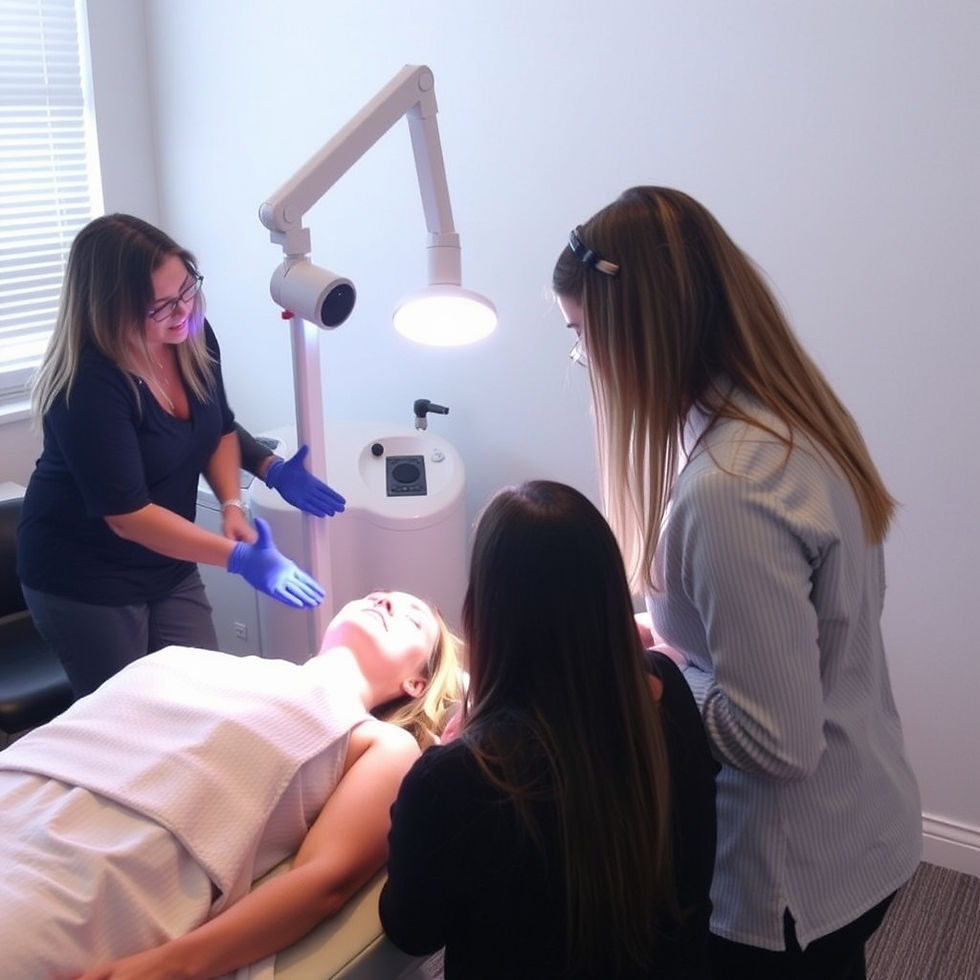
Training and certification are essential to safe, effective practice. Comprehensive courses cover laser physics, skin anatomy, and safety protocols. Hands-on training under supervision prepares technicians to perform treatments independently and competently.
The development of specialized tools and training methods further underscores the commitment to ensuring technicians achieve the necessary proficiency for safe and effective laser hair removal.
Training & Proficiency for Safe Laser Hair Removal
The uniform delivery of laser energy is particularly important for safe and effective laser hair removal (LHR) treatment. Although it is necessary to quantitatively assess the spatial distribution of the delivered laser, laser spots are difficult to trace owing to a lack of visual cues. This study proposes a novel preclinic tool to evaluate operator proficiency in LHR treatment and applies this tool to train novice operators and compare two different treatment techniques (sliding versus spot-by-spot).
Tool to visualize and evaluate operator proficiency in laser hair-removal treatments, S Noh, 2014
What Does a Comprehensive Laser Technician Certification Course Include?
A comprehensive certification course typically includes:
Curriculum Details : In-depth study of laser technology, skin types, and treatment protocols.
Duration of Training : Most courses require around 40 hours of didactic training and at least 20 hours of hands-on practice.
Expected Outcomes : Graduates are equipped with the knowledge and skills necessary to perform laser hair removal safely and effectively.
This training is vital for career advancement in medical aesthetics.
How Does Certification Benefit Career Advancement in Medical Aesthetics?
Certification offers several career benefits, including:
Improved Job Prospects : Certified technicians are often preferred by employers seeking qualified professionals.
Higher Earning Potential : Certification can lead to increased pay rates and opportunities for advancement.
Commitment to Safety and Quality : Certification demonstrates a technician's dedication to providing safe and effective treatments.
These advantages support a technician's career success in the medical aesthetics industry.
What Practice Models and Affordable Treatment Options Exist for Laser Hair Removal?
Affordable options are increasingly available, widening access to treatment. Some common practice models include:
Package Deals : Many clinics offer discounted rates for multiple sessions purchased upfront.
Financing Options : Payment plans can help clients manage the cost of treatments over time.
Training Program Costs : Educational institutions provide training programs that prepare technicians for successful careers in laser hair removal.
These models make quality treatments more affordable for clients.
How Can Certified Technicians Implement Cost-Effective Practice Models?
Certified technicians can adopt cost-effective models by:
Offering Package Discounts : Encouraging clients to commit to multiple sessions at a reduced rate.
Utilizing Efficient Technologies : Investing in advanced laser systems that reduce treatment time and increase client throughput.
Marketing Strategies : Leveraging social media and local advertising to attract new clients and retain existing ones.
These strategies improve client satisfaction and practice profitability.

What Are the Benefits of Affordable Laser Hair Removal Treatments for Clients?
Affordable treatments offer several client benefits, including:
Cost-Effectiveness : Lower prices make treatments more accessible to a wider audience.
Long-Term Hair Reduction : Clients can achieve significant hair reduction over time, leading to less frequent maintenance.
Access to Quality Clinics : Affordable options allow clients to seek treatments from reputable clinics without financial burden.
These benefits underline the value of making laser hair removal accessible to those seeking effective solutions.
Frequently Asked Questions
What should I expect during my first laser hair removal session?
At your first session the technician will consult on your skin type, hair color, and medical history. The area will be cleaned and shaved to optimise results. You will be given protective eyewear and the technician will test the laser on a small patch to check your skin's response. The procedure often feels like a mild snap. After the session you may have some redness or swelling, which usually subsides quickly.
How long do the results of laser hair removal last?
Results can be long-lasting. Many clients see significant reduction after completing the recommended sessions. Some achieve permanent hair loss while others need occasional maintenance for regrowth. Hair type, skin tone, and hormonal factors influence longevity. Generally, clients enjoy smoother skin for months or years after treatment.
Are there any skin types that are not suitable for laser hair removal?
Laser treatment works for many skin types but has limitations. Very light blond, grey, or red hair may respond poorly because lasers target melanin. Darker skin tones often require specific lasers, such as Nd:YAG, to reduce risk of damage. A qualified technician should assess your skin and hair to determine the best approach.
What precautions should I take before and after treatment?
Before treatment avoid sun exposure, tanning beds, and medications that increase skin sensitivity. Shave the area one to two days before and do not wax or pluck. After treatment avoid sun and apply sunscreen to the treated area. Also avoid hot baths, saunas, and vigorous exercise for a few days to reduce irritation and support healing.
Can laser hair removal be performed on all body areas?
Yes. Most areas can be treated, including the face, legs, arms, underarms, bikini line, and back. Suitability depends on the specific area and your skin type. Sensitive zones may require a technician with specialized training to ensure comfort and safety. Always consult a qualified professional to discuss the best options for your treatment areas.
What is the difference between laser hair removal and other hair removal methods?
Laser treatment targets hair follicles with concentrated light for long-term reduction. Shaving and waxing provide temporary results, while electrolysis treats follicles individually and is more time-consuming. Laser is generally faster and can cover larger areas more efficiently.
How can I choose the right clinic for laser hair removal?
Choose a clinic with certified technicians who have completed specialized laser training. Review client testimonials and ratings. Confirm the clinic uses FDA-approved laser systems suitable for your skin type. Book a consultation to discuss safety protocols, treatment plans, and pricing. A reputable clinic will prioritize your safety and comfort throughout the process.
Conclusion
Laser hair removal provides a precise, effective option for long-term hair reduction. With proper safety protocols and trained technicians, treatments are both effective and secure. Reviewing affordable options and understanding the underlying technology helps you make an informed decision. Consider a consultation to determine whether laser treatment is the right choice for your needs.


Comments