
Essential Laser Tattoo Removal Client Safety Guidelines

Essential Laser Tattoo Removal Client Safety Guidelines
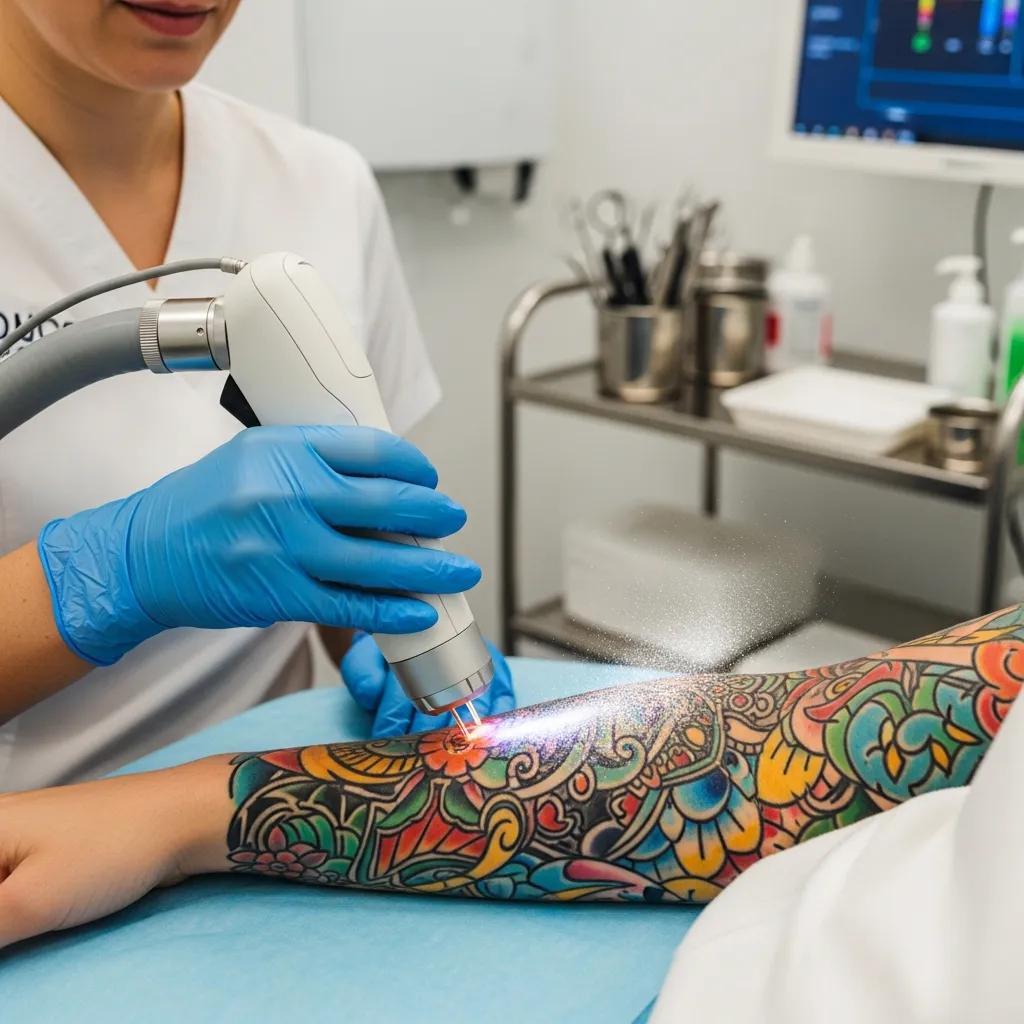
Laser tattoo removal is a specialized procedure that requires strict adherence to safety guidelines to protect clients and achieve effective results. This article explains essential client safety protocols, post-treatment care instructions, and certification requirements for laser technicians. Readers will learn the critical steps involved in ensuring a safe and effective laser tattoo removal process, including the importance of thorough client assessments and the role of certified professionals. As the cosmetic laser industry continues to evolve, understanding these guidelines is vital for both practitioners and clients. This guide will cover safety protocols, post-treatment care, certification requirements, the role of the laser safety officer, and the importance of certification in the field.
Safety Protocols
Safety protocols are fundamental to safe laser tattoo removal. They protect clients and technicians by reducing risks associated with laser treatments. Key safety protocols include:
Comprehensive Patient Assessment : Before any treatment, a thorough assessment of the client's medical history and skin type is essential. This helps identify any contraindications that may affect the treatment's safety and efficacy.
Use of FDA-Cleared Devices : Only FDA-cleared laser devices should be utilized for tattoo removal. These devices have undergone rigorous testing to ensure their safety and effectiveness.
Proper Laser Settings : Technicians must adjust laser settings according to the specific needs of the client, including skin type and tattoo characteristics, to minimize risks and enhance treatment outcomes.
Following these protocols reduces the chance of adverse effects and supports a more predictable treatment course.
Post-Treatment Care Instructions
Post-treatment care supports healing and helps minimise complications after laser tattoo removal. Clients should follow these guidelines:
Effective laser tattoo removal also requires careful risk assessment, appropriate patient selection, and the strategic planning of multiple sessions to achieve optimal results.
Laser Tattoo Removal: Risks, Patient Selection & Post-Treatment Care This source reviews the risks and complications associated with laser tattoo removal and emphasises the importance of proper patient selection, pre-treatment assessment, and post-treatment care. It describes the role of multiple sessions and the need for interval spacing to allow for optimal healing. The review also notes that picosecond lasers and combination therapies have shown promising results in improving tattoo removal efficacy and in reducing the number of required treatment sessions. Laser Tattoo Removal, 2026
Keeping the Area Clean : It is vital to keep the treated area clean and dry to prevent infection. Clients should gently wash the area with mild soap and water.
Moisturization : Applying a recommended moisturizer can help soothe the skin and promote healing. Clients should use products that are free from fragrances and irritants.
Avoiding Sun Exposure : Clients must avoid direct sunlight on the treated area for several weeks post-treatment. Sun exposure can lead to pigmentation changes and hinder the healing process.
Adhering to these post-treatment instructions improves recovery and can enhance final results.
Be aware of potential wound-healing complications that can arise from overly aggressive treatment parameters.
Managing Post-Laser Tattoo Removal Wound Healing Complications Higher energy settings have been used to reduce the number of treatment sessions, but this approach can lead to post-laser skin complications such as pathological wound healing. A case report documents early stages of pathological wound healing after high-fluence 1064 nm Q-switched laser tattoo removal. Early, proportional wound care that combines anti-neoangiogenic and anti-inflammatory strategies—including the pulsed application of potent topical steroids—resulted in improved control of tissue repair in that case. Persistent eschar-like wound healing after Q-switched 1064 nm hybrid nanosecond-picosecond laser monochromatic tattoo removal: management and evolution, 2015
Certification Requirements
Certification is essential to maintaining safety and efficacy in laser tattoo removal. The certification process for technicians typically includes:
Training Program : Aspiring technicians must complete a comprehensive training program that covers the fundamentals of laser physics, skin anatomy, and safety protocols.
Hands-On Experience : Practical experience is essential. Technicians should undergo supervised practice to gain confidence and proficiency in using laser devices.
Certification Exams : After completing the training, candidates must pass certification exams that assess their knowledge and skills in laser tattoo removal.
These certification requirements uphold industry standards and help ensure clients receive safe and effective treatments.
What Are the Key Client Safety Protocols for Laser Tattoo Removal?
Key safety protocols include comprehensive patient assessments, the use of FDA-cleared devices, and correct laser settings. These measures minimise risk and support effective treatment outcomes.
How to Conduct Effective Client Consultation and Skin Assessment
A thorough consultation covers medical history, client expectations, and a detailed skin assessment. This process identifies contraindications and allows the technician to tailor the treatment plan to individual needs.
What Are the Contraindications and Risk Factors to Identify?
Contraindications may include certain skin conditions, medications that increase photosensitivity, and a history of keloid scarring. Identifying these factors is essential to protect client safety.
How Should Clients Be Prepared Before Laser Tattoo Removal Treatments?
Advise clients to avoid sun exposure, tanning beds, and specific medications before treatment. Proper preparation reduces the risk of complications and supports treatment effectiveness.
What Pre-Treatment Instructions Ensure Client Safety?
Common pre-treatment instructions include avoiding blood thinners, refraining from alcohol, and ensuring the skin is clean and free of products. These steps help optimise the treatment environment.
How to Customize Preparation Based on Client Skin Type and Health?
Customize preparation based on the client's skin type and health status. Technicians should adjust instructions to individual needs to maintain safety and efficacy.
Role of the Laser Safety Officer
The laser safety officer (LSO) enforces safety standards, oversees compliance, and trains staff on safety measures. This role is essential for minimising risks and maintaining safe laser practice.
Importance of Certification
Certification demonstrates a technician's knowledge and competence in performing laser tattoo removal safely. Certified technicians are more likely to follow safety protocols, which reduces patient risk and improves outcomes. Furthermore, certification helps build trust with clients by confirming they are receiving care from qualified professionals.
Certification Requirement | Description | Importance |
Training Program | Comprehensive education on laser physics and safety | Ensures foundational knowledge |
Hands-On Experience | Supervised practice with laser devices | Builds practical skills |
Certification Exams | Assessment of knowledge and skills | Validates competency |
This table highlights the essential components of certification and their role in ensuring safe and effective laser tattoo removal practices.
Frequently Asked Questions
What should clients expect during their first laser tattoo removal session?
At the first session you will receive a detailed consultation where the technician assesses the tattoo, skin type, and medical history. The technician will explain the procedure and describe the sensation, often compared to a rubber-band snap. You will also receive pre-treatment instructions. Raise any concerns to ensure a comfortable experience.
How many sessions are typically required for complete tattoo removal?
The number of sessions varies by tattoo size, colour, age, and the client's skin type. On average, clients may need between 5 to 10 sessions, spaced 6 to 8 weeks apart, to achieve optimal results. Each session progressively fades the tattoo, and the technician will monitor the skin's response and adjust the treatment plan as needed.
Are there any side effects associated with laser tattoo removal?
Laser tattoo removal can cause side effects, which are generally mild and temporary. Common effects include redness, swelling, blistering, and changes in skin pigmentation. These typically resolve within days to weeks. Follow post-treatment care instructions to minimise complications. If severe reactions occur, contact your technician immediately.
Can all tattoo colors be removed effectively?
Not all tattoo colours respond equally to laser removal. Dark colours, such as black and dark blue, are the easiest to remove, while lighter colours like green, yellow, and white are more challenging. Different laser wavelengths target specific colours, so technicians may use multiple lasers to achieve the best results. Discuss your tattoo's colours with the technician to set realistic expectations.
What factors influence the cost of laser tattoo removal?
The cost of laser tattoo removal varies with the tattoo's size, colour complexity, and the number of sessions required. Technician experience, the type of laser used, and the clinic's location also affect pricing. Ask about pricing during the initial consultation to understand the total cost for your treatment plan.
Is laser tattoo removal safe for all skin types?
Laser tattoo removal can be safe for many skin types, but individual assessment is essential. Some skin types are more prone to complications such as hyperpigmentation or scarring. Technicians should evaluate skin type and medical history to determine appropriate laser settings and techniques. Clients with darker skin tones may require specialised lasers to reduce risks and achieve effective results.
What should clients do if they experience complications after treatment?
If you experience complications after treatment—such as excessive redness, blistering, or signs of infection—contact your technician or healthcare provider immediately. Prompt attention can address issues and prevent further complications. Continue to follow post-treatment care instructions to support healing and lower the risk of adverse effects.
Conclusion
Adherence to essential safety protocols is critical for both clients and technicians to ensure safe, effective laser tattoo removal. Use comprehensive patient assessments, FDA-cleared devices, and proper post-treatment care to improve recovery and outcomes. Choosing certified professionals reinforces safety and builds client confidence. For more information on laser tattoo removal and to find certified technicians near you, explore our resources today.
Comments